

Physical Therapy Info Health Tips
Our Integrated Physical Therapy blog, your go-to source for physical therapy articles and holistic health information. We provide expert insights, practical physical therapy tips, and the latest developments in the field. Whether you're recovering from an injury, managing chronic pain, or looking to improve your overall well-being, our physical therapy blog covers a variety of helpful topics.
Our goal is to empower you with the information you need to take an active role in your health and recovery. Ready to schedule an appointment and take control of your health? Contact Integrated Physical Therapy at 305-967-8976.
Can Pelvic Health Therapy in Hallandale Help With Bladder Leaks During Exercise?

Bladder leaks during a workout aren't just inconvenient. They're disruptive enough to make people skip the gym altogether. Most assume it's something they'll have to live with—part of aging, motherhood, or just bad luck. But the truth is, stress incontinence isn't a permanent sentence. It's a mechanical issue. And mechanical issues can be fixed.
We're not talking about pads or workarounds. We're talking about pelvic floor therapy—a clinical approach that targets the root cause. If you're in Hallandale and dealing with leaks when you jump, run, or lift, here's what you need to know about whether therapy can actually solve the problem.
Why Leaks Happen When You Move
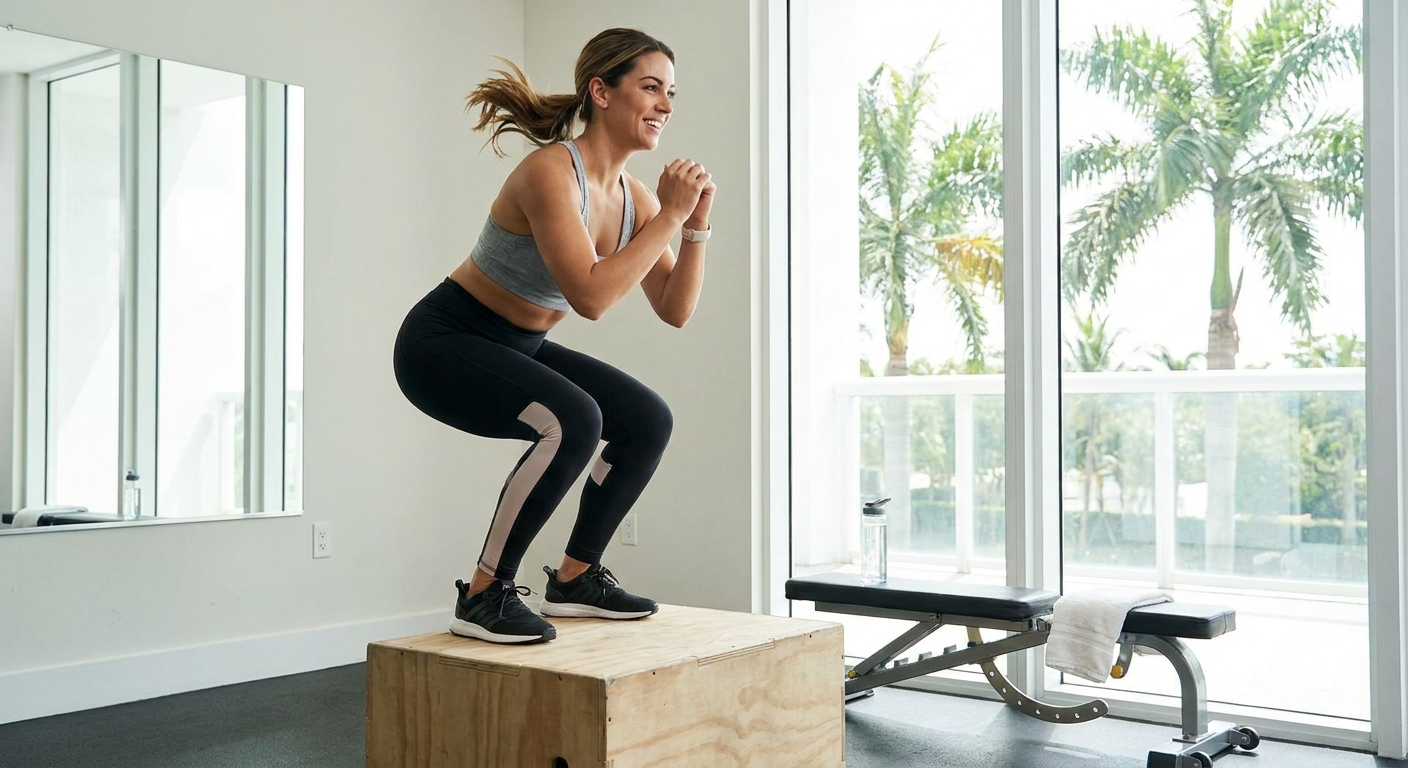
Stress incontinence shows up when physical activity creates pressure your pelvic floor can't handle. That pressure pushes down on the bladder, and if the muscles meant to hold things in place aren't strong enough—or aren't coordinating properly—urine escapes. It's most common during high-impact moves like box jumps, sprints, or heavy squats.
The pelvic floor is a group of muscles that support your bladder, uterus, and bowel. When those muscles weaken—whether from pregnancy, childbirth, hormonal shifts, chronic coughing, or even years of high-impact training—they lose the ability to stabilize under load. That's when leaks start. And no, it's not normal. It's fixable.
What Pelvic Health Therapy Actually Does
Pelvic health therapy is physical therapy for the muscles you can't see. A trained therapist evaluates how your pelvic floor is functioning—not just strength, but coordination, endurance, and timing. Then they build a plan tailored to your body and your goals.
Treatment isn't one-size-fits-all. It might include muscle retraining, manual therapy, biofeedback, or adjustments to how you breathe and brace during movement. The objective is simple: restore pelvic floor function so your body can handle the demands you're putting on it.
How Therapy in Hallandale Addresses the Problem
If you're working with a pelvic health therapist in Hallandale, you're getting more than generic Kegel advice. You're getting a full assessment and a targeted intervention. Here's what that looks like in practice:
- Detailed Evaluation: Your therapist will assess pelvic floor strength, muscle tone, coordination, and any imbalances or restrictions. They'll also review your exercise routine, bladder habits, and overall health to get the full picture.
- Customized Muscle Training: You'll learn how to engage your pelvic floor correctly—and when to relax it. Many people are doing Kegels wrong, which can make the problem worse. Proper technique matters.
- Biofeedback Tools: Some therapists use biofeedback to help you visualize muscle activation. It's like a mirror for muscles you can't see, making it easier to learn correct engagement patterns.
- Manual Therapy: If there's tightness, scar tissue, or fascial restriction, your therapist may use hands-on techniques to release tension and improve mobility in the pelvic region.
- Behavioral and Lifestyle Coaching: You'll get guidance on bladder-friendly habits—hydration, timed voiding, avoiding irritants—and learn how to modify your workouts while rebuilding pelvic floor capacity.
What Sessions Look Like
Your first appointment will involve a thorough history and a physical exam. Depending on your comfort level and clinical need, this may include an internal assessment of pelvic floor muscle function. Everything is explained ahead of time, and you're in control of what happens.
Sessions usually run 45 to 60 minutes. Frequency depends on your situation—weekly at first, then tapering as you improve. Progress is tracked, and your program evolves as your body adapts. Most people start seeing measurable changes within a few months.
Who Benefits From This Approach
Pelvic health therapy works for a wide range of people. Postpartum athletes dealing with leaks after childbirth. Runners who started noticing issues in their 40s. Lifters who can't brace without losing control. Even those who've had symptoms for years and assumed nothing could be done.
Age, fitness level, and how long you've had the problem don't disqualify you. What matters is whether the issue is mechanical—and stress incontinence almost always is. If your pelvic floor isn't functioning the way it should, therapy can retrain it.
Common Mistakes That Make Leaks Worse
Plenty of people try to self-manage and end up spinning their wheels. Here's where most go wrong:
- Doing Kegels Without Proper Form: Squeezing the wrong muscles or holding your breath can reinforce bad patterns. If you're not sure you're doing it right, you probably aren't.
- Ignoring Breathing Mechanics: How you breathe during movement affects intra-abdominal pressure. Poor breathing strategy can undermine even the strongest pelvic floor.
- Avoiding Exercise Entirely: Backing off from all activity doesn't solve the problem. It just lets the muscles get weaker. Strategic modification, not elimination, is the answer.
- Relying on Products Instead of Treatment: Pads and liners manage symptoms. They don't address the dysfunction. If you want the leaks to stop, you need to fix the mechanics.
- Waiting Too Long to Get Help: The longer the issue persists, the more compensatory patterns your body develops. Early intervention makes recovery faster and more straightforward.
When to Bring in a Professional
If leaks are affecting your workouts, your confidence, or your willingness to stay active, it's time to see a pelvic health therapist. This isn't something you have to tough out or accept as inevitable. And it's not something you should try to troubleshoot on your own if you're not seeing results.
A qualified therapist can identify what's actually going wrong, correct faulty movement patterns, and give you a roadmap to full function. That's worth more than months of guessing.
What Recovery Actually Looks Like
Progress isn't always linear, but most people notice improvements within the first few weeks—less frequent leaks, better control during lighter activities, increased awareness of pelvic floor engagement. Full recovery depends on consistency, but the payoff is real.
- Returning to High-Impact Training: With the right progression, you can get back to running, jumping, and lifting without fear of leaks.
- Better Core Stability: A functional pelvic floor improves overall core strength and movement efficiency, which benefits every aspect of training.
- Increased Confidence: Once you're not worried about leaking, you can focus on performance instead of damage control.
- Long-Term Prevention: You'll leave therapy with the tools to maintain pelvic floor health for years, not just fix the immediate problem.
- Improved Quality of Life: Beyond the gym, better pelvic floor function can improve bladder control in everyday situations, sleep quality, and overall well-being.
Stop Accepting Leaks as Normal
Bladder leaks during exercise are common. But common doesn't mean acceptable. And it definitely doesn't mean unfixable. If you're in Hallandale and dealing with this, holistic therapies including pelvic health offer a clear path forward. Not a Band-Aid. Not a workaround. A real solution.
We help people rebuild pelvic floor function so they can train hard, move confidently, and stop planning workouts around bathroom access. If you're ready to address the root cause instead of managing symptoms, it's time to reach out to a pelvic health specialist who knows how to get results.
Let’s Get You Back to Moving With Confidence
We believe everyone deserves to enjoy their workouts without worrying about leaks or discomfort. If you’re ready to take the next step toward lasting pelvic health, let’s talk about how we can help you reclaim your strength and confidence. Call us at 305-967-8976 or request an appointment today and let’s start your journey to better movement together.