

Physical Therapy Info Health Tips
Our Integrated Physical Therapy blog, your go-to source for physical therapy articles and holistic health information. We provide expert insights, practical physical therapy tips, and the latest developments in the field. Whether you're recovering from an injury, managing chronic pain, or looking to improve your overall well-being, our physical therapy blog covers a variety of helpful topics.
Our goal is to empower you with the information you need to take an active role in your health and recovery. Ready to schedule an appointment and take control of your health? Contact Integrated Physical Therapy at 305-967-8976.
Can the McKenzie Method in Hallandale Help With Pain While Driving?
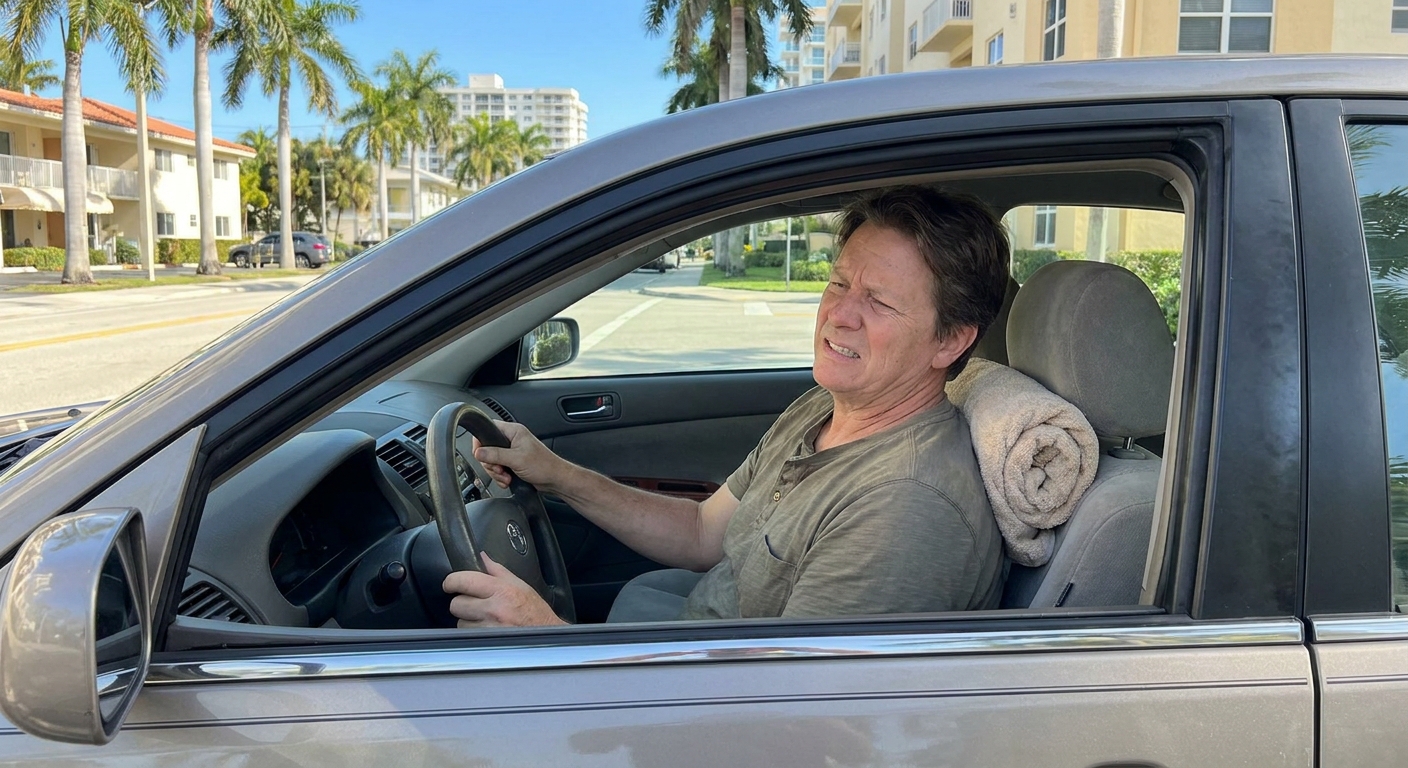
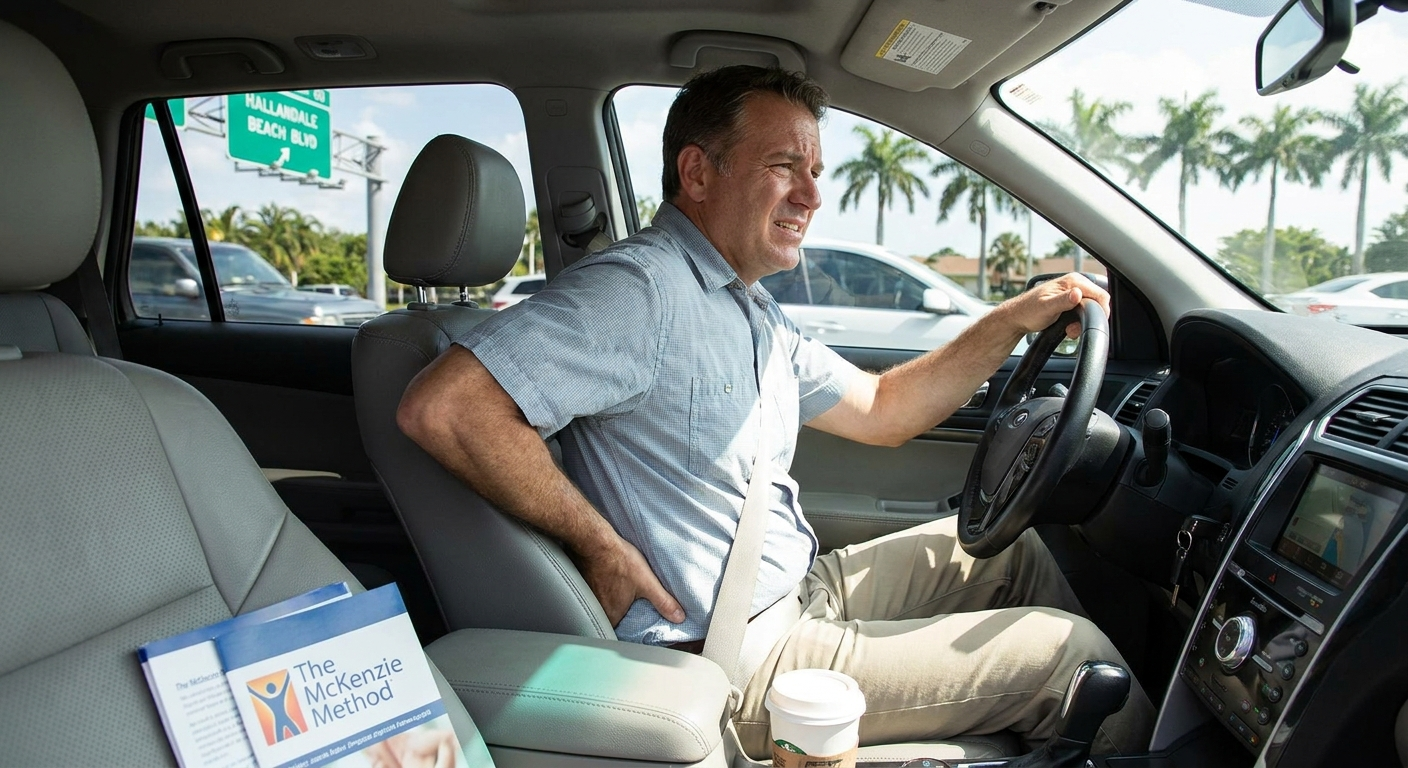
Most drivers think pain is just part of the commute. Lower back throbs, neck tightens, shoulders lock up—but they keep driving anyway. The McKenzie Method doesn't see it that way. And if you're still white-knuckling the wheel through another twenty-minute ride, you're missing a strategy that's been changing how people manage musculoskeletal pain for decades. This isn't about passive treatments or quick fixes. It's about understanding what your body's doing behind the wheel—and giving it the tools to stop screaming at you.
So here's the reality. If you're dealing with chronic discomfort every time you get in the car, that's not just bad luck. That's mechanics. Your spine, your posture, your seat position—they all matter. And the McKenzie Method in Hallandale offers a way to address those factors head-on, with precision and real results.
What the McKenzie Method Actually Does
Robin McKenzie developed this approach in the 1950s after noticing something most therapists missed: certain movements made pain better, while others made it worse. That observation became Mechanical Diagnosis and Therapy, a system built on identifying your pain's directional preference and using it to your advantage.
The method starts with assessment—not guessing, not generic stretches. A certified practitioner watches how you move, where your pain shows up, and what positions bring relief. From there, they build a customized plan. You're not just handed a sheet of exercises. You're taught how to read your own symptoms and respond in real time. That matters when you're stuck in traffic on I-95 and the flare-up hits.
Why Your Car Becomes a Pain Trigger
Driving puts your body in a position it wasn't designed to hold for long. Sitting compresses your lumbar discs. Poor seat angles push your pelvis into posterior tilt. Reaching for the wheel rounds your shoulders forward. Add vibration from the road and repetitive head turns, and you've got a recipe for chronic strain.
Most people adjust their mirrors or blame their mattress. They don't realize the car itself is part of the problem. And when pain becomes predictable—every drive, every time—it's because the mechanics haven't been corrected.
- Extended sitting loads the spine unevenly and restricts blood flow to surrounding tissues
- Forward head posture strains the cervical spine and upper trapezius muscles
- Limited movement prevents natural shifts in pressure and position
- Road vibration amplifies existing disc or joint irritation
- Poorly adjusted seats force compensatory postures that create secondary pain points
How the Method Targets Driving Pain
The McKenzie Method doesn't treat every back like it's the same. It categorizes pain patterns—derangement, dysfunction, postural—and matches the treatment to the diagnosis. For drivers, that often means learning extension-based movements that counteract the flexion bias of sitting.
If your pain centralizes with certain positions, your therapist in Hallandale will teach you how to use those positions strategically. Maybe it's a lumbar roll wedged behind your seat. Maybe it's a specific stretch you do at red lights. Maybe it's adjusting your seat angle so your hips sit higher than your knees. The method is practical because it's designed for real-world use, not just clinic visits.
- Directional preference exercises reduce pain by moving it toward the spine's center
- Postural corrections eliminate the positions that perpetuate symptoms
- Self-treatment protocols give you control when pain flares mid-drive
- Ergonomic adjustments shift load distribution across your spine and pelvis
- Progressive loading builds tolerance so longer trips don't become torture sessions
What Makes This Approach Different
Most treatments ask you to show up, lie down, and let someone else do the work. The McKenzie Method flips that. You're the one doing the exercises. You're the one making the adjustments. The therapist guides you, but the power sits with you.
That matters when you're on the road. You're not waiting for your next appointment to feel better. You're applying what you've learned in the moment. And because the method is education-driven, it doesn't just reduce pain—it prevents it from coming back. You learn to recognize early warning signs and intervene before a flare-up derails your day.
When This Method Works Best
Not every type of pain responds to McKenzie. If your issue is purely muscular, purely inflammatory, or purely structural, the approach might need to be combined with other interventions. But for mechanical pain—pain that changes with position, movement, or activity—this method is highly effective.
We see the best outcomes when patients commit to the process. That means doing the exercises consistently, making the ergonomic changes, and staying engaged with the self-assessment piece. The method requires participation. If you're looking for a passive fix, this isn't it. If you want to understand your pain and control it, this is exactly where you should be.
- Pain that worsens with prolonged sitting or specific movements
- Symptoms that improve or centralize with certain postures
- Chronic or recurrent issues that haven't responded to generic physical therapy
- Discomfort tied to repetitive activities like driving or desk work
- Cases where patients want long-term self-management strategies, not dependency on ongoing treatment
Finding a Certified Practitioner in Hallandale
The McKenzie Method is only as good as the person delivering it. Certification matters. A credentialed McKenzie therapist has completed advanced training and demonstrated competency in the assessment and treatment protocols. They're not just running you through a template—they're diagnosing your mechanical issue and tailoring the response.
In Hallandale, there are physical therapy services staffed by certified practitioners who specialize in this approach. Don't settle for someone who "uses McKenzie techniques" or claims familiarity. Look for the credential. Ask about their training. This is your spine—treat the decision like it matters.
What to Expect from Your First Visit
Your initial session will be heavy on assessment. The therapist will ask detailed questions about your pain—when it started, what makes it better or worse, how it behaves throughout the day. Then comes movement testing. You'll be guided through specific positions and exercises while the therapist watches how your pain responds.
If your pain centralizes or decreases during testing, that's a strong indicator the McKenzie Method will work for you. From there, you'll receive a tailored exercise plan and education on posture, ergonomics, and self-management. Many patients see improvement within a few sessions. Some see it faster. The key is consistency and applying what you learn outside the clinic, whether through manual therapy techniques or orthopedic rehabilitation protocols that complement your McKenzie exercises.
- Comprehensive pain history and symptom behavior analysis
- Mechanical testing to identify directional preference
- Customized exercise prescription based on your specific pattern
- Postural and ergonomic coaching for driving and daily activities
- Education on self-assessment and when to modify or progress exercises
Why We Recommend This for Drivers
We've worked with enough drivers—commuters, rideshare operators, road-trippers—to know that pain behind the wheel isn't just uncomfortable. It's distracting. It's limiting. And it compounds over time if you don't address the mechanics. The McKenzie Method gives you a framework to take control, and it does so without requiring endless appointments or expensive interventions. Our experienced staff can assess whether this approach is right for your specific driving-related pain patterns.
If you're in Hallandale and driving has become a pain point—literally—this is worth exploring. The method is evidence-based, widely researched, and built for people who want results they can manage themselves. You don't have to live with the ache. You just have to be willing to learn what's causing it and do something different. Ready to take the next step? Contact our Hallandale Beach location to schedule your assessment and start addressing your driving pain today.
Let’s Get You Back to Comfortable Driving
We know how frustrating it is when pain turns every drive into a challenge. Let’s work together to find solutions that put you back in control, so you can focus on the road ahead—not your discomfort. If you’re ready to experience the difference the McKenzie Method can make, give us a call at 305-967-8976 or request an appointment and let’s start your journey toward pain-free driving.