

Physical Therapy Info Health Tips
Our Integrated Physical Therapy blog, your go-to source for physical therapy articles and holistic health information. We provide expert insights, practical physical therapy tips, and the latest developments in the field. Whether you're recovering from an injury, managing chronic pain, or looking to improve your overall well-being, our physical therapy blog covers a variety of helpful topics.
Our goal is to empower you with the information you need to take an active role in your health and recovery. Ready to schedule an appointment and take control of your health? Contact Integrated Physical Therapy at 305-967-8976.
Can the McKenzie Method in Wynwood Help With Recurring Neck Flare Ups?
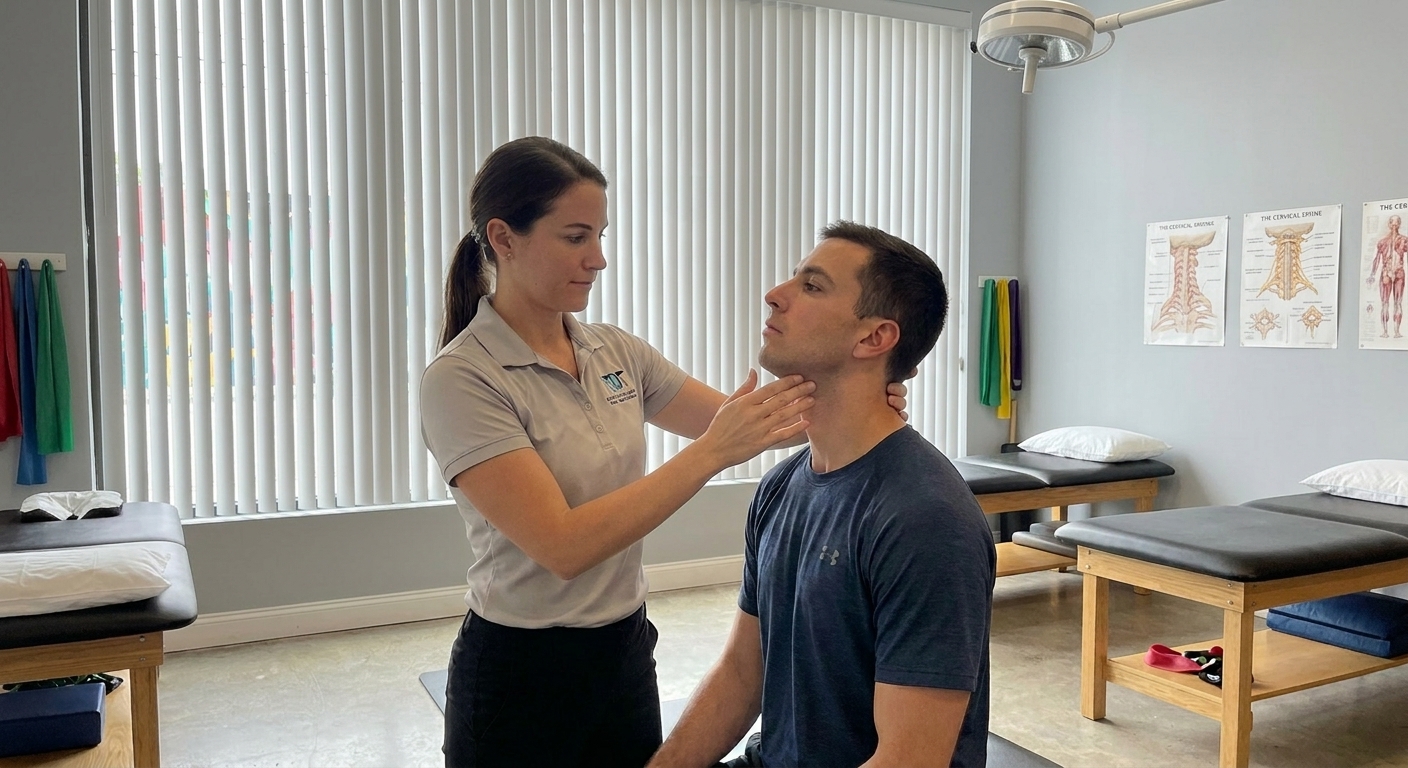
Most people think recurring neck pain is just bad luck. Slept wrong, sat too long, moved the wrong way — then boom, you're back in the cycle. But recurring flare ups aren't random. They're your body sending a signal that something deeper isn't resolving. And if you keep treating symptoms without addressing the mechanics, you're just buying time until the next episode.
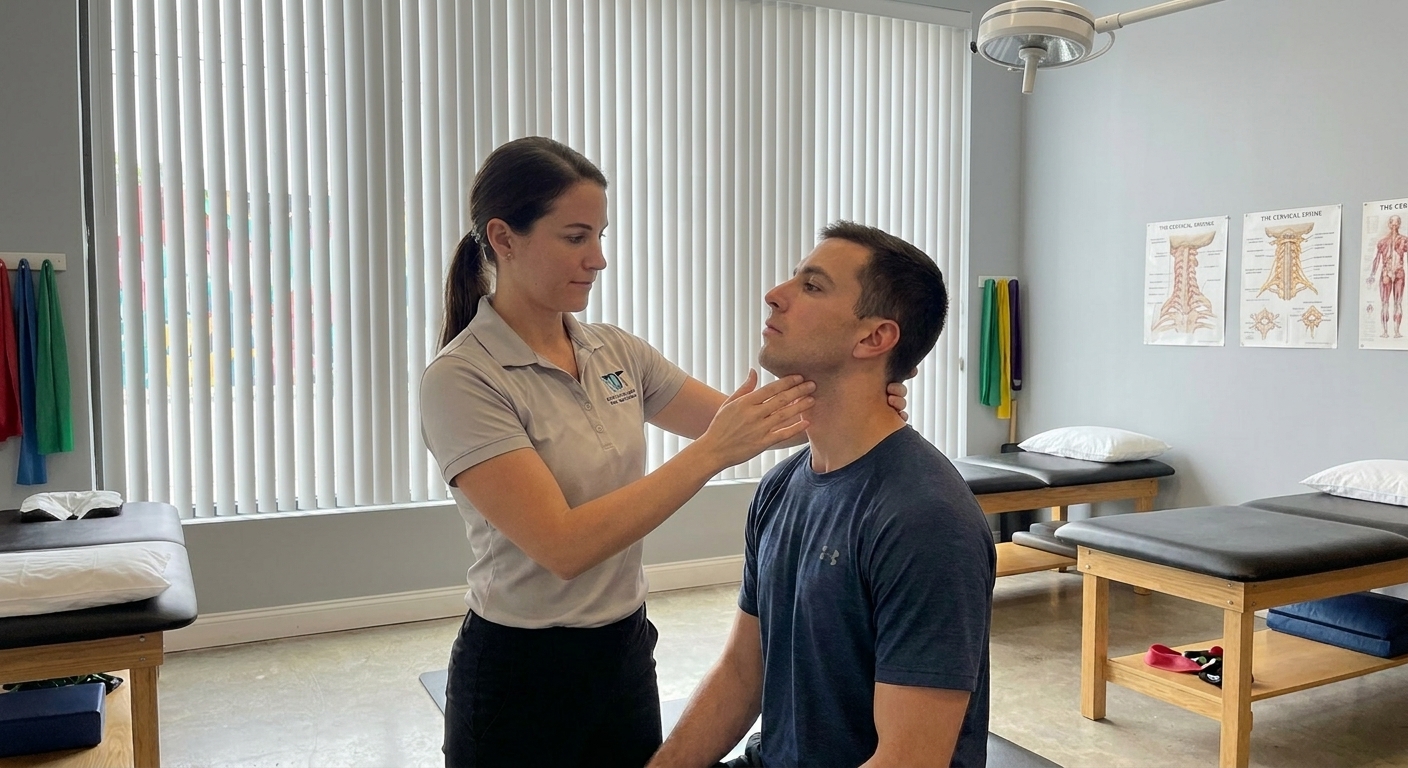
The McKenzie Method doesn't baby you through pain. It teaches you how to shut it down yourself. And if you're dealing with neck flare ups that keep coming back, that's exactly the kind of control you need — especially if you're tired of depending on appointments, pills, or hoping it'll just go away.
Why Your Neck Keeps Acting Up
Neck pain doesn't usually start with one big injury. It builds. Poor posture at your desk, hours staring down at your phone, sleeping on a lousy pillow — these aren't just minor annoyances. They're compounding stress on your cervical spine. Over time, the muscles tighten, the joints stiffen, and your range of motion shrinks. Then one morning, turning your head becomes a problem.
What makes it worse is that most treatments focus on easing the discomfort without fixing the pattern. You get a massage, feel better for a few days, then it's back. You pop some ibuprofen, numb the pain, but the root cause stays put. The cycle continues because the mechanics never changed.
What the McKenzie Method Actually Does
The McKenzie Method flips the script. Instead of treating you like a passive patient, it puts the tools in your hands. This approach, also called Mechanical Diagnosis and Therapy, was developed decades ago and has since become one of the most researched methods for spinal pain. It's not a one-size-fits-all protocol — it's a diagnostic system that figures out what movements help and what movements hurt.
Here's how it works. A certified therapist in Wynwood will walk you through a series of positions and movements. They're watching for patterns — does the pain centralize when you retract your chin? Does it worsen when you tilt forward? Based on your responses, they classify your condition and build a custom exercise plan. The goal isn't just relief. It's teaching you how to recognize early warning signs and stop a flare up before it spirals.
The Assessment Tells You What Matters
We don't guess. The McKenzie assessment is methodical. You'll be asked about your daily habits, your pain triggers, and what you've tried before. Then comes the movement testing. The therapist guides you through specific motions to see how your neck responds. Some movements will make the pain shift toward the center of your neck — that's called centralization, and it's a good sign. Others might send pain radiating into your shoulder or arm — that tells the therapist what to avoid.
Once the pattern is clear, you get a plan. It might include chin tucks, extensions, or gentle rotations. These aren't generic stretches pulled from a handout. They're targeted to your body's response. And because you're learning the system, you can adjust on your own when symptoms flare.
What Makes This Method Different
- You're in control: Once you learn the exercises, you don't need to wait for an appointment to manage pain.
- It's built on your response: The plan changes based on how your body reacts, not on a standard template.
- Prevention is built in: You learn to spot the early signs of a flare up and address them before they escalate.
- Research backs it: Numerous studies show the McKenzie Method works for mechanical neck pain, often outperforming passive treatments.
- It's portable: You can do the exercises at your desk, in your car, or at home — no equipment needed.
When It Works Best
The McKenzie Method shines for mechanical neck pain — the kind that's linked to posture, movement, or repetitive strain. If your pain gets worse with certain positions and better with others, you're a strong candidate. If you've been cycling through temporary fixes without lasting improvement, this approach gives you something sustainable.
That said, it's not a magic bullet for every neck issue. If you've had a recent trauma, severe instability, or a condition that requires medical intervention, you'll need clearance from a doctor first. But for the majority of people dealing with recurring flare ups tied to daily habits, the McKenzie Method offers a clear path forward.
Who Should Guide You Through This
Not every physical therapist is trained in the McKenzie Method. You need someone who's gone through the certification process and knows how to assess, classify, and adapt the program to your specific presentation. In Wynwood, look for a practitioner with the MDT credential. That's your confirmation they've been trained properly and can guide you through the system with precision.
Working with a certified therapist means you're not just getting exercises — you're getting education. They'll teach you why certain movements help, how to adjust when symptoms change, and how to prevent future episodes. That knowledge is what separates temporary relief from long-term control.
What Happens After the First Session
- You'll have a clear diagnosis: Your therapist will explain what's driving your symptoms and what classification you fall into.
- You'll start exercises immediately: No waiting weeks for results — you begin working on your neck right away.
- You'll get a home plan: The exercises are designed to be done on your own, with follow-up sessions to track progress.
- You'll learn to self-correct: If pain starts creeping back, you'll know exactly what to do before it gets worse.
- You'll reduce dependency: The goal is fewer visits, not more — because you're taking ownership of the process.
Common Mistakes People Make With Neck Pain
One of the biggest missteps is treating every flare up like it's brand new. You ice it, rest it, wait it out — but you never dig into why it keeps happening. That's reactive, not strategic. The McKenzie Method is the opposite. It's about understanding the pattern so you can break it.
Another mistake is overdoing passive treatments. Massage therapy feels great, but it doesn't teach your body how to move better. Heat packs are soothing, but they don't retrain your posture. You need active involvement. The McKenzie Method gives you that.
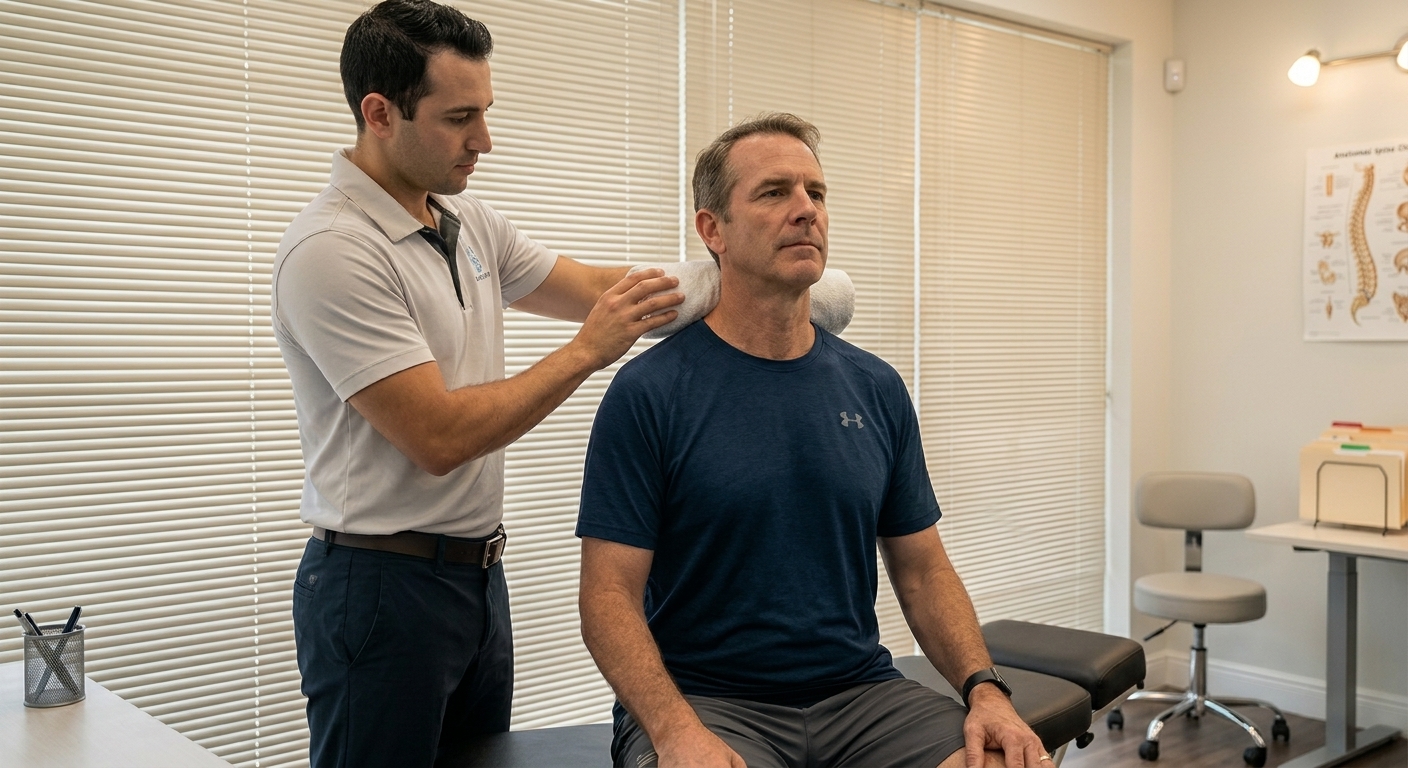
What to Expect Over Time
- Early relief: Many people notice improvement within the first few sessions as pain centralizes and mobility increases.
- Fewer flare ups: As you apply the exercises consistently, the frequency and intensity of episodes typically drop.
- Better body awareness: You'll start recognizing habits that trigger pain and correct them before they cause problems.
- Less reliance on outside help: You'll need fewer appointments because you're managing symptoms independently.
- Long-term stability: The goal is a neck that doesn't constantly demand attention — just consistent, functional movement.
When Professional Help Is Non-Negotiable
If your neck pain is accompanied by numbness, weakness, or radiating pain that doesn't respond to movement, you need to get checked out. The McKenzie Method is powerful, but it's not designed to replace medical evaluation when something more serious is at play. If you've had recent trauma, a diagnosed disc issue, or symptoms that are getting progressively worse, see a healthcare provider before starting any exercise program.
For most recurring flare ups tied to posture, strain, or mechanical dysfunction, though, the McKenzie Method is one of the most effective tools available. It's backed by research, used worldwide, and built around the idea that you're capable of managing your own recovery — if you have the right guidance.
How to Find the Right Practitioner in Wynwood
- Look for the MDT credential: This confirms they've completed McKenzie-specific training.
- Ask about their assessment process: A good practitioner will explain how they classify your condition before jumping into treatment.
- Check their experience with neck pain: Not all conditions are the same — make sure they've worked with recurring cervical issues.
- Prioritize education over volume: The best therapists teach you the system, not just run you through exercises.
- Confirm they offer follow-up support: You should be able to check in as your symptoms evolve and adjust your plan accordingly.
Taking Control of Your Neck Pain
Recurring neck flare ups aren't something you have to live with. They're a signal — and the McKenzie Method gives you the tools to respond. Instead of cycling through temporary fixes, you learn how to address the root mechanics. Instead of waiting for relief, you create it. And instead of feeling stuck in a loop, you take ownership of what happens next.
If you're in Wynwood and ready to break the pattern, find a certified McKenzie practitioner who can walk you through the assessment and build a plan that works for your body. Integrating approaches like manual therapy or myofascial release may further enhance results for some patients. Your neck doesn't need more rest — it needs better movement. And that starts with understanding what's actually going wrong.
Ready to Move Past Neck Pain?
We know how frustrating it is to deal with neck pain that keeps coming back. Let’s work together to break the cycle and help you regain lasting comfort and control. If you’re ready to take the next step, give us a call at 305-967-8976 or request an appointment today so we can help you get back to feeling your best.