

Physical Therapy Info Health Tips
Our Integrated Physical Therapy blog, your go-to source for physical therapy articles and holistic health information. We provide expert insights, practical physical therapy tips, and the latest developments in the field. Whether you're recovering from an injury, managing chronic pain, or looking to improve your overall well-being, our physical therapy blog covers a variety of helpful topics.
Our goal is to empower you with the information you need to take an active role in your health and recovery. Ready to schedule an appointment and take control of your health? Contact Integrated Physical Therapy at 305-967-8976.
Can Pelvic Health Therapy in Wynwood Help With Postpartum Core Weakness?
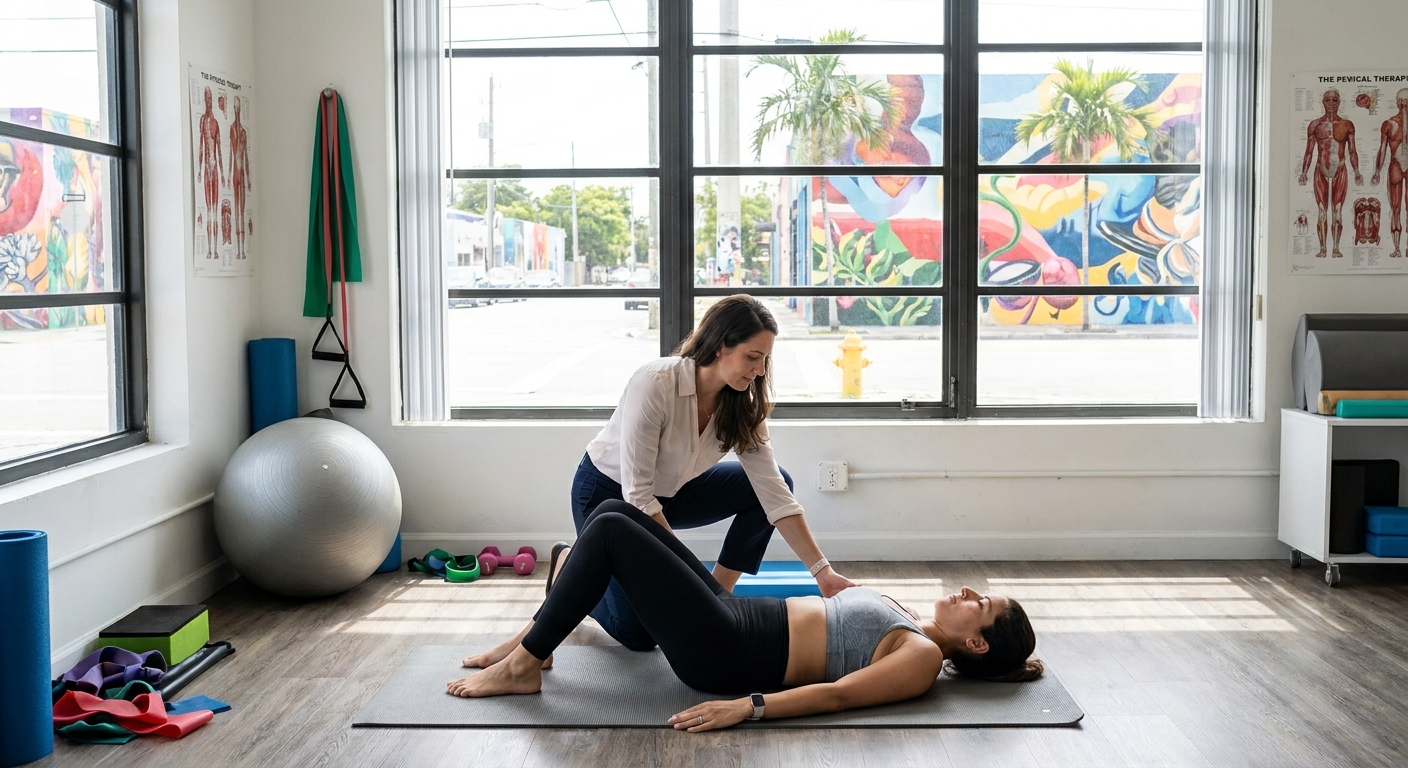
Most new mothers think recovery is just about rest. Sleep when the baby sleeps, give it time, let your body heal. But your core doesn't fix itself on a timeline. The muscles that stretched, separated, and weakened during pregnancy won't snap back without intervention. And if you're waiting for things to feel normal again, you're asking for chronic instability, back pain, and pelvic floor dysfunction that lingers for years.
So here's the reality. If you're dealing with postpartum core weakness, pelvic floor therapy isn't some luxury add-on. It's the difference between hoping your body recovers and actively rebuilding it with precision. Every session should have a purpose. Every exercise needs proper mechanics. And every recovery decision should be grounded in how your muscles are functioning — not just how you feel on the surface.
When Your Core Isn't Weak, Just Disconnected
Nine times out of ten, postpartum core issues aren't about strength alone. You carried a baby, your abdominal wall expanded, your pelvic floor stretched under pressure — that's mechanics, not weakness. The challenge isn't that your muscles disappeared. It's that the connection between your brain and those deep stabilizers got scrambled.
But if you ignore that disconnect? Different outcome. We see this constantly with diastasis recti and pelvic organ prolapse. Plenty of mothers assume crunches and planks will close the gap — they won't. And when you push through traditional core work without retraining the foundation, you're setting yourself up for compensation patterns that make everything worse.
The Exercises That Actually Rebuild Function
You can't skip the deep work and expect surface-level abs to carry you. Traditional fitness routines don't address the transverse abdominis or pelvic floor coordination. But pelvic health therapy does. Therapists in Wynwood build programs that target the muscles responsible for真正stability.
Here's where that precision matters most:
- Diaphragmatic breathing drills that restore pressure management and engage the core without compensation
- Pelvic floor activation exercises that rebuild the connection between brain and muscle before adding load
- Transverse abdominis engagement that pulls your core back together from the inside out
- Functional movement patterns that teach your body how to stabilize during daily tasks like lifting your baby or bending
- Progressive loading strategies that add resistance only when your foundation can handle it
When Generic Rehab Falls Short
Want real recovery? You'll need someone who understands postpartum biomechanics — not just general physical therapy protocols. The standards are different here.
Pelvic health therapists check three critical areas:
- Whether your pelvic floor can coordinate with your diaphragm during breathing and movement
- How your abdominal wall responds to pressure and whether diastasis recti is present
- If your core can stabilize your spine during functional tasks without compensation from your back or hips
Miss one of those checkpoints, and you're building on a faulty foundation. Even if you're doing exercises every day. And if any of your symptoms include leaking, heaviness, or pain? That's your body telling you the system isn't working correctly yet.
The Timeline No One Warns You About
Recovery doesn't happen in six weeks. That postpartum checkup your doctor schedules? It's a starting point, not a finish line. Real core restoration takes months of intentional work, and if you're dealing with severe diastasis or pelvic floor dysfunction, the timeline extends even further.
You'll need consistent sessions and home program compliance to see progress. Most women notice changes within four to eight weeks when they're working with a skilled therapist. But those who skip the fundamentals or rush back into high-impact exercise? They plateau fast — or worse, they regress.
Your Recovery Is Only As Good As Your Assessment
Want lasting results? Start with a proper evaluation. You'll need more than a quick questionnaire or a visual check to understand what's happening inside your core.
Here's what a thorough pelvic health assessment includes:
- Internal pelvic floor examination to assess muscle tone, strength, and coordination
- Diastasis recti measurement to determine the width and depth of abdominal separation
- Breathing pattern analysis to identify pressure management issues
- Functional movement screening to spot compensation patterns during daily activities
If your therapist doesn't check these markers, they're guessing. Mixing general core work with postpartum-specific needs is one of the fastest ways to stall progress. So if that exercise routine you found online promises to "fix" your core in 10 minutes a day, you'd better have professional guidance confirming it's right for your body.
Where Most New Mothers Go Wrong
Returning to Exercise Too Soon
Jumping back into running or HIIT before your core can stabilize? Your pelvic floor won't find that empowering. Aggressive exercise without a foundation creates downward pressure that worsens prolapse risk and deepens diastasis. Most mothers stay safer by working with a pelvic health therapist first — and plenty avoid setbacks by following evidence-based return-to-exercise protocols.
Ignoring Pain as a Warning Signal
Don't push through discomfort and call it progress. Pain during exercise, heaviness in your pelvis, or leaking during movement means something isn't ready yet. If you ignore those signs, you're trading short-term effort for long-term dysfunction. Listen to your body weekly. It's protective. It works.
Assuming Kegels Fix Everything
If you're doing Kegels without proper instruction, you might be making things worse. Not every pelvic floor needs strengthening — some need relaxation and coordination training first. Reference your therapist's specific program and don't guess. For more guidance, check out our pelvic health FAQ to better understand what proper pelvic floor training looks like. That's what pelvic health specialists are for.
Techniques That Go Beyond Exercise Alone
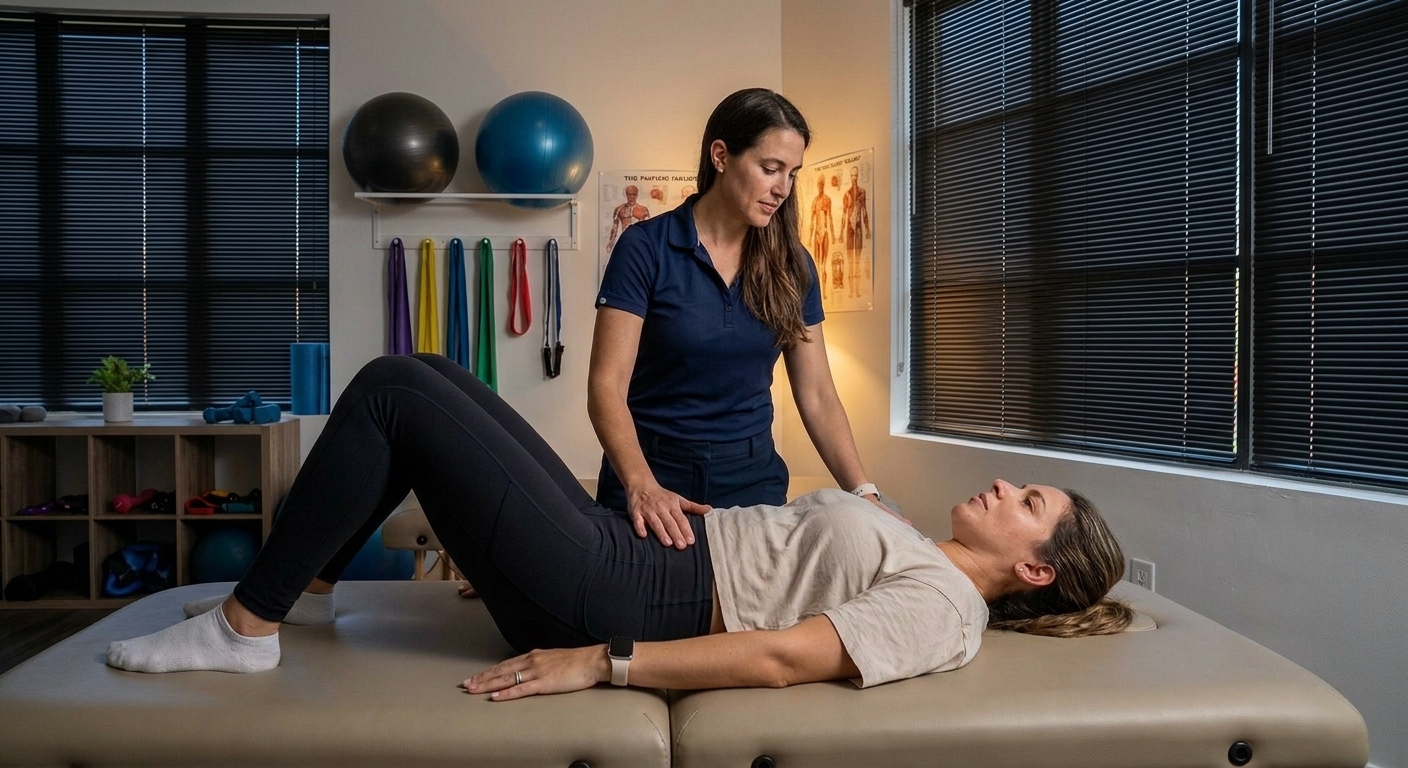
Rebuilding your core isn't just about reps and sets. Pelvic health therapy in Wynwood incorporates multiple approaches that address the whole picture.
Therapists use tools like:
- Manual therapy to release fascial restrictions and improve tissue mobility around the abdomen and pelvis
- Biofeedback devices that show you in real time whether your pelvic floor is contracting or relaxing correctly
- Postural education that teaches you how to align your ribcage and pelvis for optimal core engagement
- Activity modification guidance so you can lift, carry, and move without stressing your healing tissues
When to Bring In a Specialist
If your symptoms include prolapse, severe diastasis, chronic pain, or incontinence that doesn't improve with basic exercises, you're in territory where DIY gets risky. A pelvic health therapist helps you identify what's actually broken, apply the right interventions in the right order, separate normal postpartum changes from dysfunction that needs treatment, navigate return to fitness without setbacks, and keep your recovery on track for the long haul.
It's not just about feeling better this month. It's about setting up patterns that keep your core strong and functional for decades. If you're curious how other mothers have rebuilt strength after delivery, you'll find that the ones who commit to pelvic health therapy early see the most dramatic transformations. For additional insights, read through our patient testimonials to see firsthand how structured therapy programs have helped women recover postpartum strength.
Recovery With a Clear Strategy
Having a baby isn't the hard part. Rebuilding the body that carried that baby — and defending your progress when life gets chaotic — that's where mothers get caught off guard. There's no excuse for skipping professional guidance when the tools are there for the taking. But there's also no shortcut when you try to rush past the fundamentals. At holistic therapy clinics throughout Wynwood, we help new mothers do more than survive postpartum. We help them recover smart — with clarity, precision, and an understanding of what it means for their bodies, not just their schedules.
Let's Rebuild Your Core Together
We know how overwhelming postpartum recovery can feel, but you don’t have to navigate it alone. Our team is here to help you reconnect with your core, restore your strength, and move forward with confidence. If you’re ready to take the next step, call us at 305-967-8976 or request an appointment and let’s start your personalized recovery journey today.