

Physical Therapy Info Health Tips
Our Integrated Physical Therapy blog, your go-to source for physical therapy articles and holistic health information. We provide expert insights, practical physical therapy tips, and the latest developments in the field. Whether you're recovering from an injury, managing chronic pain, or looking to improve your overall well-being, our physical therapy blog covers a variety of helpful topics.
Our goal is to empower you with the information you need to take an active role in your health and recovery. Ready to schedule an appointment and take control of your health? Contact Integrated Physical Therapy at 305-967-8976.
Is Myofascial Release Therapy in North Miami Good for Chronic Hip Tightness?
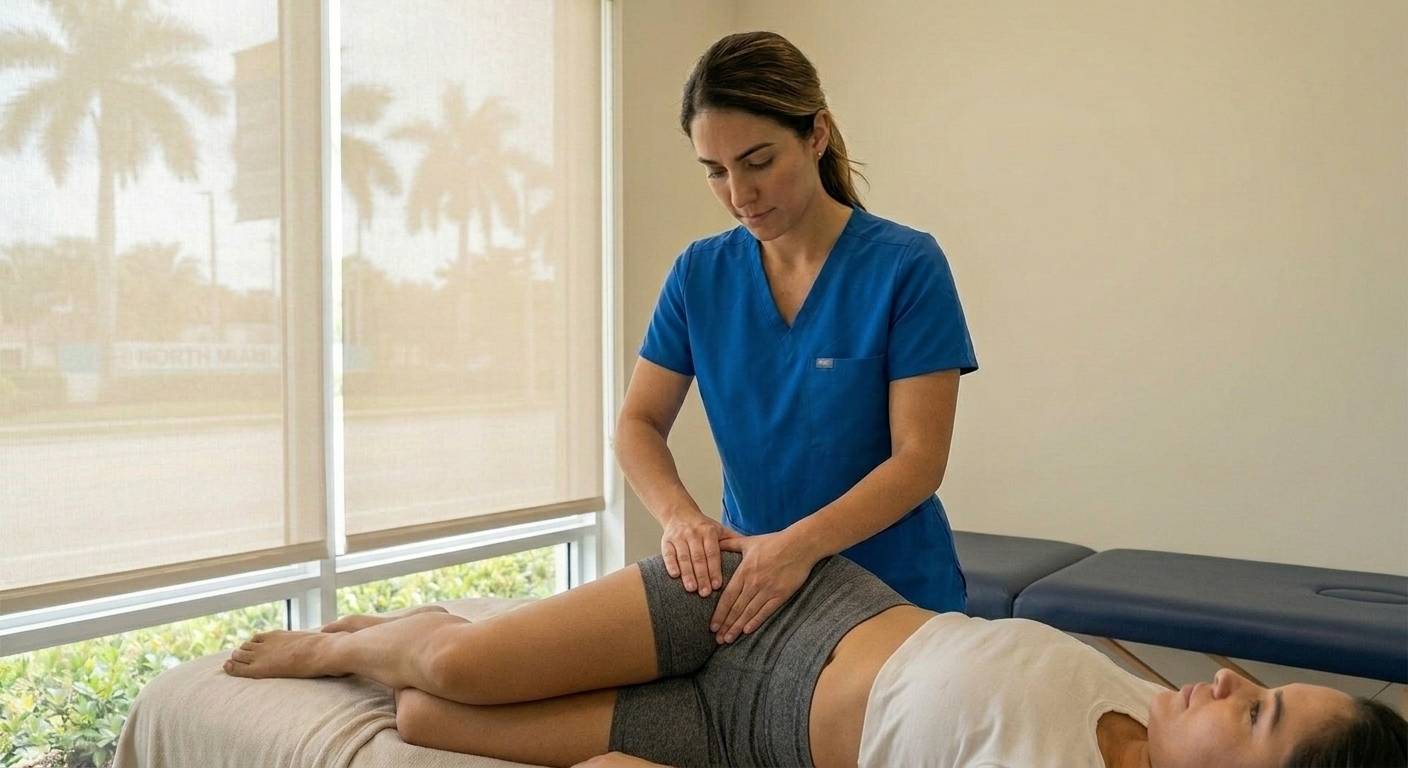
Most people think tight hips are just a flexibility problem. Stretch more, sit less, buy a foam roller. But fascia doesn't work like that — and if you don't understand why, you're treating symptoms while the real issue stays locked in place. Chronic hip tightness isn't always about muscle. It's about the connective tissue wrapping everything underneath, restricting movement even when you think you're doing all the right things.
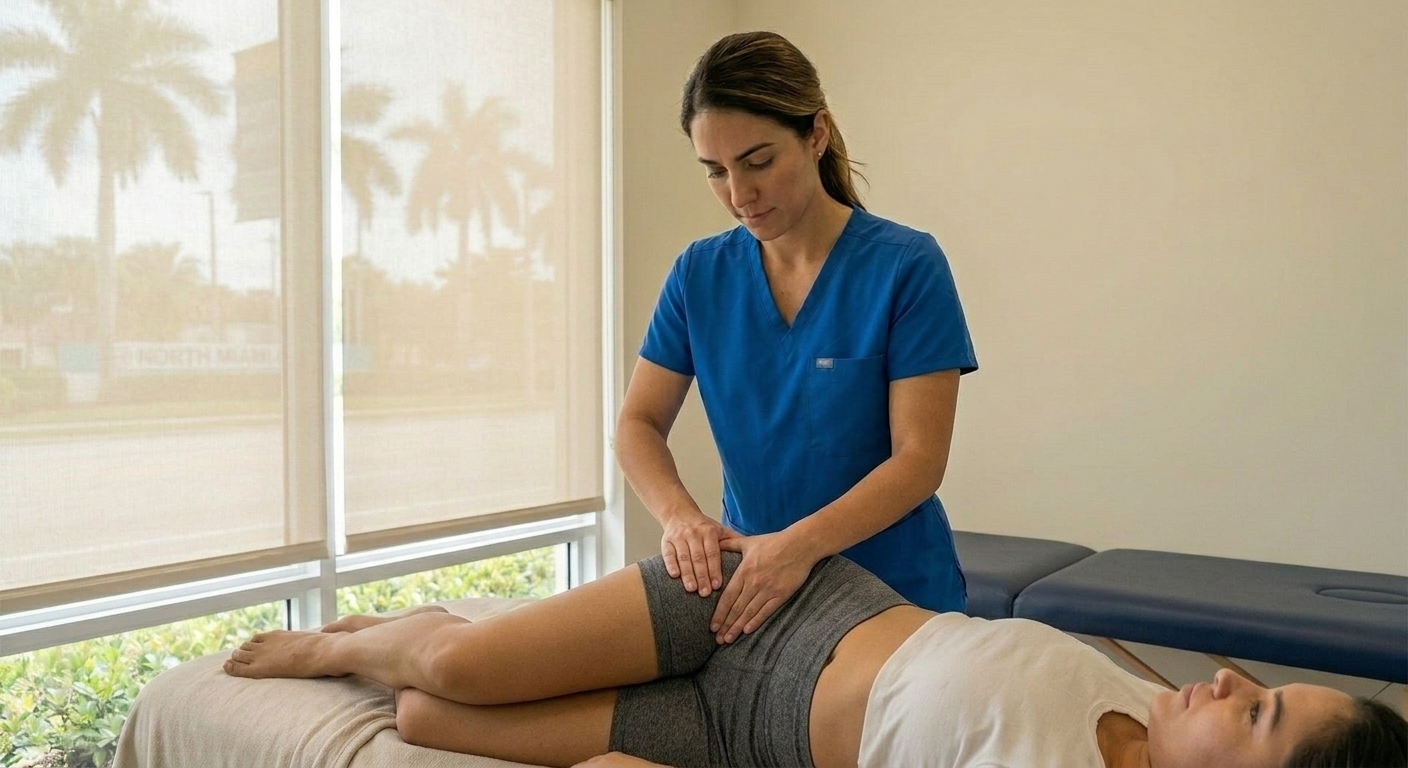
So here's where we stand. Myofascial release targets that deeper layer — the fascia itself. It's not a massage. It's not stretching. It's sustained pressure designed to break up adhesions and restore tissue mobility where traditional methods miss the mark. And in North Miami, where movement matters for work and play alike, the therapy's gaining traction for good reason.
Tightness That Won't Quit
Hip restriction builds slowly. Desk jobs compound it. Repetitive sports movements amplify it. Poor posture accelerates it. Over time, the fascia — that web of connective tissue holding muscles and joints in place — starts binding up. When it does, range of motion drops. Discomfort creeps in. Sometimes pain radiates down the leg or up into the lower back, and suddenly you're dealing with more than one problem.
We see this all the time. People assume it's age or inactivity, but the real culprit is fascial restriction. And once that tissue gets stuck, traditional rest or light stretching won't touch it. You need intervention that works at the structural level.
What the Therapy Actually Does
Myofascial release is manual work applied directly to areas where fascia has lost its elasticity. A trained therapist applies slow, deliberate pressure to trigger points — spots where the tissue has adhered or thickened. The goal isn't to force anything. It's to coax the fascia back into its natural state through sustained contact and controlled release.
Here's what that looks like in practice:
- Gentle pressure held for extended periods, not quick kneading
- Focus on connective tissue layers beneath the muscle
- Attention to areas where movement feels blocked or painful
- Adjustments based on how your tissue responds during the session
- Integration with other therapies like stretching or strength work when needed
North Miami has plenty of therapists offering this kind of work — physical therapy clinics, chiropractic offices, specialized bodywork practices. The quality varies, but the method itself is grounded in how fascia behaves under tension and release.
Why It Works When Other Methods Stall Out
Traditional stretching addresses muscle length. Strength training builds stability. But neither one directly changes fascial adhesion. That's the gap myofascial release fills. When fascia gets stuck, it limits how far a muscle can lengthen or contract, no matter how strong or flexible you are. Release that restriction, and suddenly movement improves without forcing it.
The benefits show up in multiple ways:
- Hip mobility increases without aggressive stretching
- Pain tied to restriction starts dropping off
- Blood flow improves in areas that were compressed
- Movement patterns feel smoother and less effortful
- Compensation patterns in the lower back or knees begin to resolve
We've talked to people who spent months on stretching routines with minimal progress, then saw noticeable change after just a few myofascial sessions. That's not magic — it's targeting the right tissue.
What a Session Looks Like
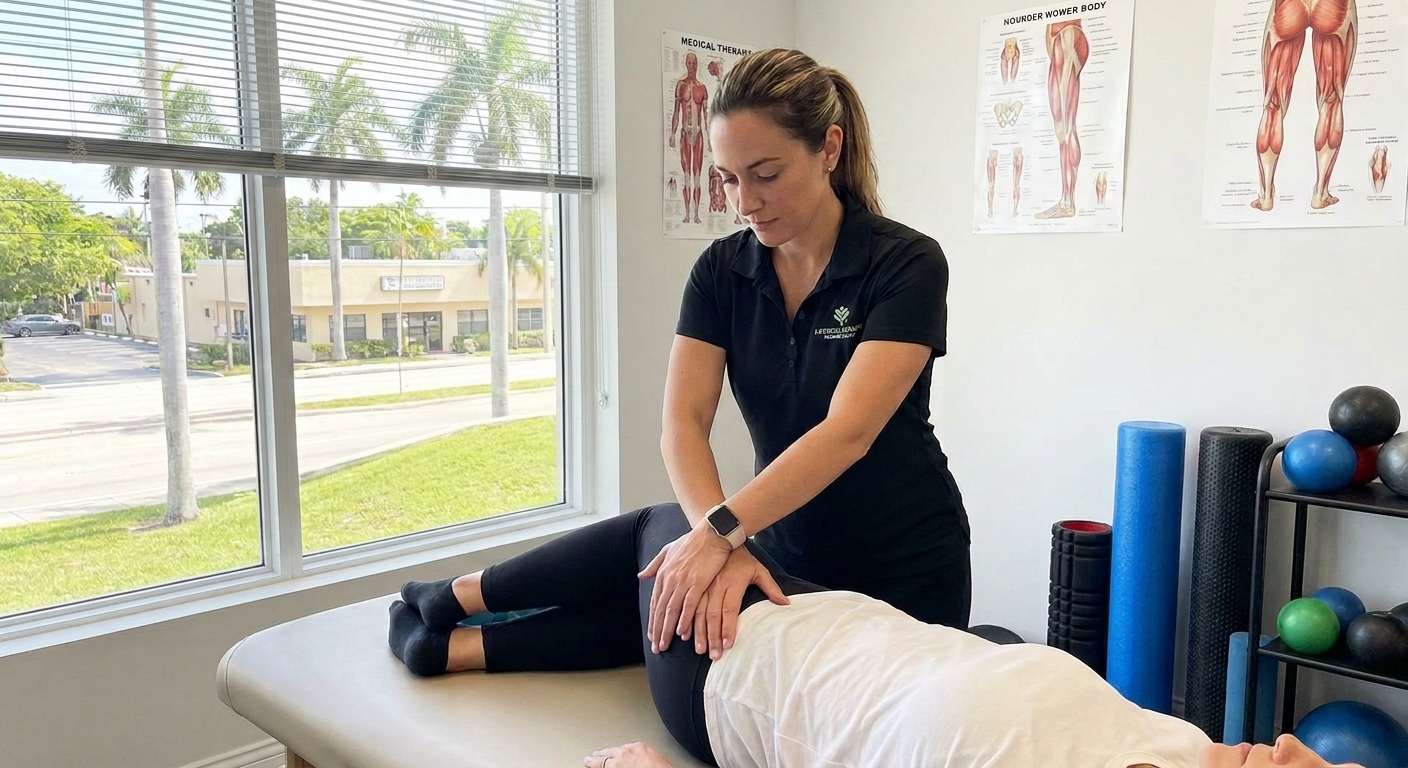
Expect to spend thirty to sixty minutes on a treatment table while the therapist works through your hip region and surrounding areas. They'll locate tension points by feel, then apply pressure that's firm but not aggressive. You might feel a stretch or mild discomfort as the tissue begins to release, but sharp pain shouldn't be part of the equation.
Most people find the process calming, even meditative. The pace is slow. The pressure is controlled. And unlike massage therapy, the goal isn't to break through resistance — it's to wait for the fascia to let go on its own timeline. After the session, some people feel immediate relief. Others notice improvement over the next day or two as the tissue continues to respond.
Who Benefits Most
Myofascial release works best for people whose tightness stems from fascial restriction rather than acute injury or structural damage. If your hips feel locked up despite regular activity, if stretching barely makes a dent, or if you've dealt with tightness for months or years without clear improvement, you're likely a good candidate.
It also helps when:
- You've ruled out major joint issues through imaging or medical evaluation
- Tightness worsens with prolonged sitting or repetitive movement
- You feel tension in the hips even when muscles are warm
- Other therapies have provided temporary relief but no lasting change
- You're looking for a non-invasive option before considering more aggressive intervention
That said, anyone with recent injuries, inflammatory conditions, or unexplained hip pain should consult a healthcare provider first. Myofascial release is effective, but it's not a substitute for diagnosis when something more serious might be at play.
Finding the Right Practitioner in North Miami
Not all myofascial release is created equal. Experience matters. Certification matters. And the ability to assess your specific restrictions — not just follow a script — makes the difference between real progress and wasted sessions.
Look for therapists who:
- Have formal training in myofascial release techniques
- Can explain what they're doing and why it matters for your case
- Integrate the work with a broader movement or rehab plan
- Adjust pressure and approach based on your feedback
- Don't promise overnight fixes but set realistic expectations
North Miami has solid options across physical therapy, chiropractic, and bodywork practices. Do your homework. Ask about their approach. Make sure they're focused on results, not just booking repeat visits. For those seeking experienced professionals who combine manual therapy with comprehensive care, you'll find practitioners who understand the connection between fascial health and overall movement quality.
Building a Strategy That Sticks
Myofascial release isn't a one-and-done solution. Most people see the best results with a series of sessions spaced over weeks, combined with movement practices that reinforce the changes. That might mean strengthening weak hip stabilizers, adjusting posture habits, or incorporating mobility drills that keep fascia pliable between treatments. Some practitioners integrate holistic therapies alongside myofascial work to address the whole person, not just isolated symptoms.
The therapy works. But it works better when it's part of a larger plan that addresses why the tightness developed in the first place. If you're sitting eight hours a day, no amount of fascial release will prevent restriction from creeping back in unless you also change how you move — or don't move — throughout the week.
Real Relief Requires the Right Approach
Chronic hip tightness doesn't resolve through wishful thinking or generic stretching routines. Fascia behaves differently than muscle, and treating it requires techniques designed for that specific tissue. Myofascial release therapy in North Miami offers a targeted, evidence-based option for people who've hit a wall with conventional methods. The results aren't instant, but they're measurable — and for those dealing with restriction that won't budge, that makes all the difference.
Let’s Get You Moving Freely Again
We know how frustrating it is when hip tightness holds you back from the activities you love. Our team is here to help you break free from restriction and rediscover comfortable movement. If you’re ready to take the next step, give us a call at 305-967-8976 or request an appointment today so we can work together toward lasting relief.