

Physical Therapy Info Health Tips
Our Integrated Physical Therapy blog, your go-to source for physical therapy articles and holistic health information. We provide expert insights, practical physical therapy tips, and the latest developments in the field. Whether you're recovering from an injury, managing chronic pain, or looking to improve your overall well-being, our physical therapy blog covers a variety of helpful topics.
Our goal is to empower you with the information you need to take an active role in your health and recovery. Ready to schedule an appointment and take control of your health? Contact Integrated Physical Therapy at 305-967-8976.
Is Myofascial Release Therapy in Wynwood Helpful for Jaw and TMJ Pain?
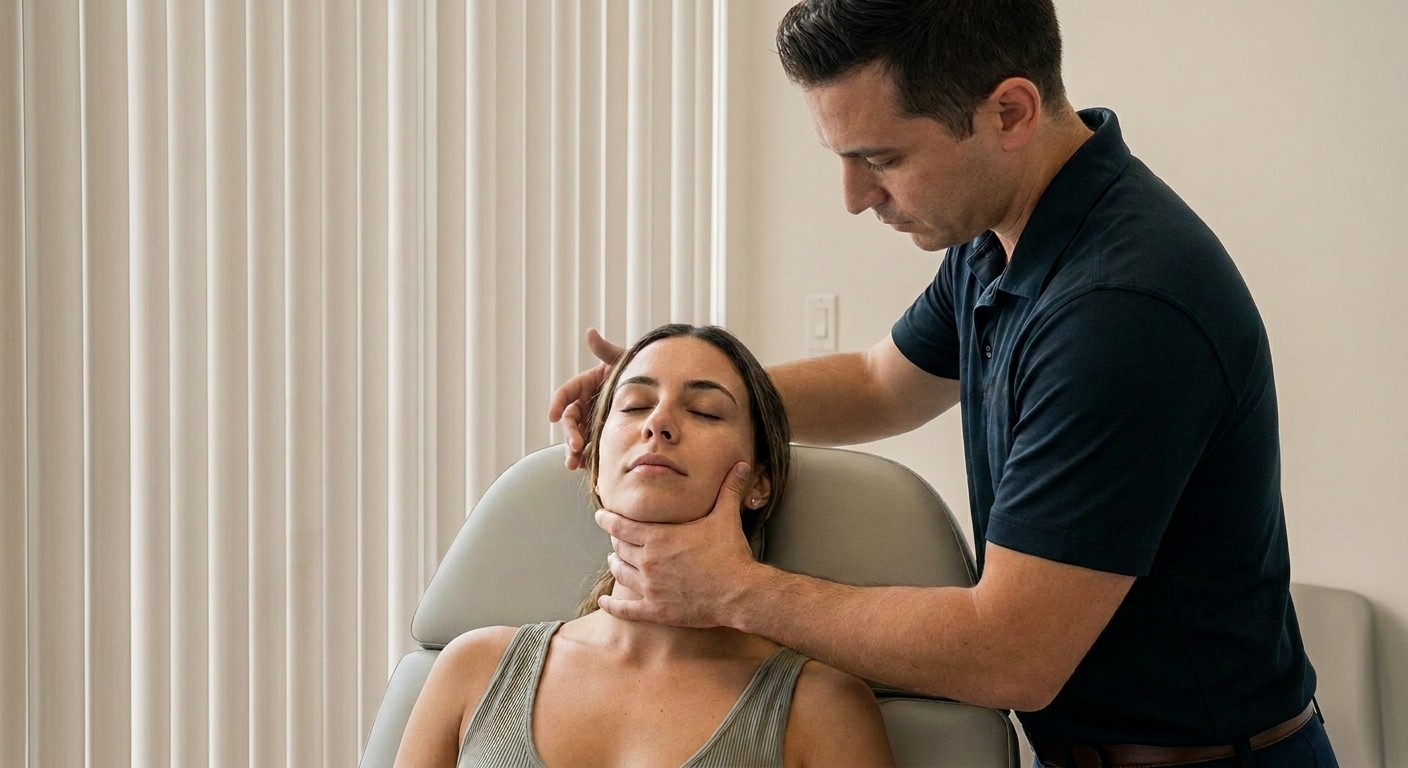
Most people think jaw pain is just stress. Clench your teeth at night, wake up sore, repeat. But TMJ dysfunction runs deeper than tension. The fascia around your jaw, neck, and shoulders can lock up — and when it does, everything from chewing to talking becomes a problem. Myofascial release doesn't just mask symptoms. It goes after the tissue that's holding your jaw hostage.
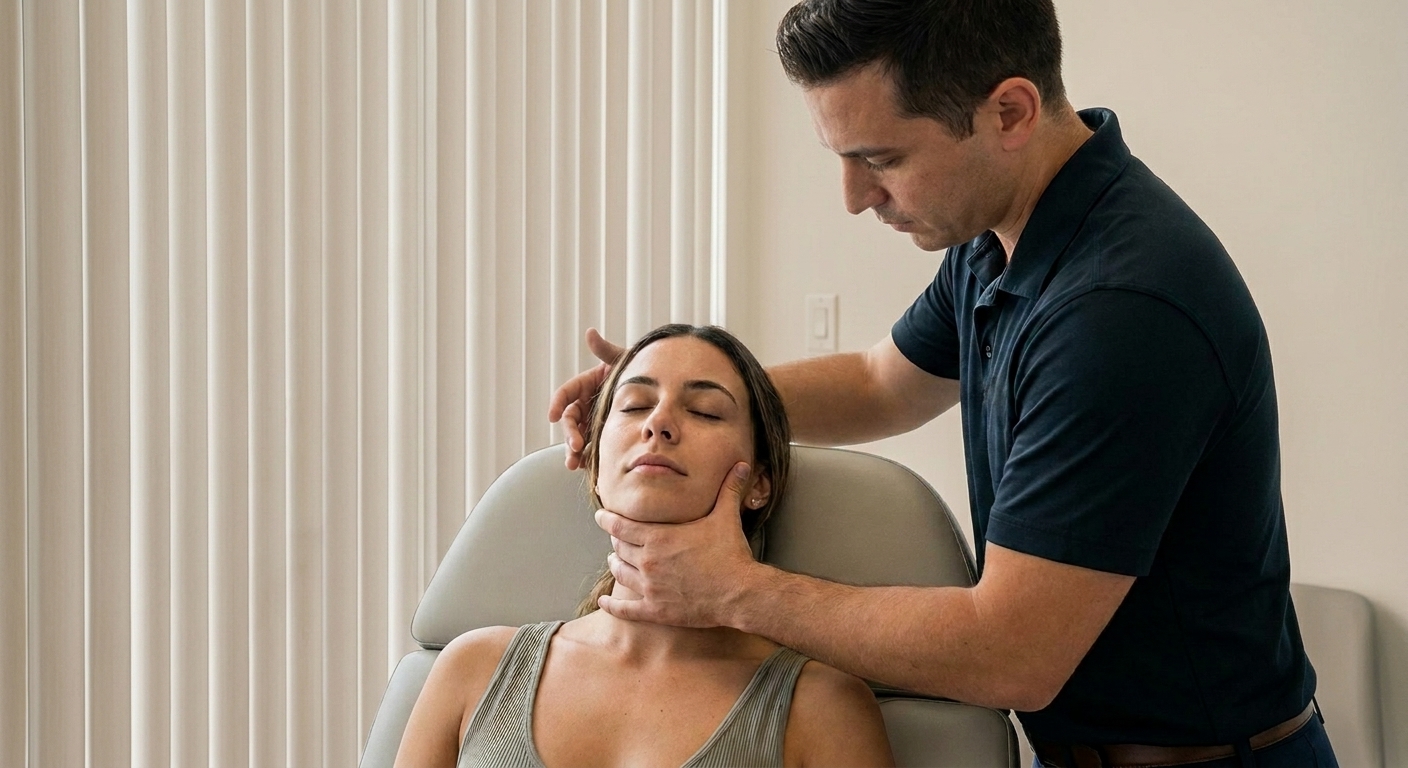
So here's what matters. If your jaw clicks, aches, or won't open all the way, that's not normal wear and tear. That's restriction. And if you've been bouncing between night guards and painkillers without relief, it might be time to treat the fascia — not just the symptoms.
TMJ Problems Don't Start in Your Jaw
Your temporomandibular joint connects your skull to your jawbone. It's one of the most complex joints in your body, and it takes a beating. Grinding your teeth, clenching under stress, bad posture, old injuries — all of it builds up. The fascia tightens. The muscles compensate. Eventually, you get pain that radiates into your head, ears, and neck.
Standard treatments focus on managing the pain. Mouthguards protect your teeth. Anti-inflammatories dull the ache. Physical therapy stretches the muscles. But none of that releases the fascial restrictions that keep pulling everything back out of place. That's where myofascial release comes in.
What Myofascial Release Actually Does
Fascia is the connective tissue wrapped around every muscle, bone, and organ in your body. When it's healthy, it's flexible. When it's restricted — from injury, inflammation, or chronic tension — it binds up and limits movement. Myofascial release uses sustained pressure to stretch and loosen that tissue.
This isn't deep tissue massage. It's slower, more targeted, and it focuses on the fascia instead of just the muscle. A trained therapist applies gentle, deliberate pressure to the restricted areas around your jaw, neck, and shoulders. Over time, the fascia softens. Mobility improves. Pain decreases.
Why It Works for Jaw and TMJ Issues
Your jaw doesn't work in isolation. The muscles that open and close your mouth are connected to your neck, shoulders, and upper back through layers of fascia. When one area tightens, the whole system compensates. Myofascial release therapy breaks that cycle by addressing the restrictions at their source.
Here's how it helps:
- Releases muscle tension: Tight fascia keeps jaw muscles locked. Loosening it lets them relax and function normally.
- Restores range of motion: If you can't open your mouth fully or it hurts to chew, releasing the fascia can bring that movement back.
- Reduces inflammation: Better tissue mobility means better circulation, which helps calm inflamed joints.
- Targets referred pain: Neck and shoulder restrictions often send pain to the jaw. Treating those areas can eliminate symptoms you thought were TMJ-only problems.
Wynwood Therapists Know This Work
Wynwood has a strong wellness community, and many therapists there specialize in myofascial release. They've worked with clients dealing with chronic jaw pain, TMJ dysfunction, and the frustration that comes with treatments that don't stick. Local practitioners at our Wynwood location tend to take a hands-on, personalized approach — no cookie-cutter protocols.
And because myofascial release is non-invasive and doesn't rely on drugs or surgery, it's a low-risk option. Sessions are typically calm and focused. You're not being poked or cracked. You're being treated with intention, and your therapist adjusts based on what your body needs.
What Happens During Treatment
Your first session starts with an assessment. The therapist will ask about your pain, your habits, and your history. Then they'll begin working on the areas contributing to your jaw dysfunction — usually the jaw itself, the neck, the shoulders, and sometimes the upper back. The pressure is firm but not painful. Most people find it surprisingly relaxing.
Results vary, but many clients notice improvements within a few sessions. Your jaw might feel looser. The clicking might reduce. Headaches tied to TMJ tension often ease up first. The key is consistency and open communication with your therapist. If something feels off or if you're not seeing progress, speak up. Good therapists adjust.
When Myofascial Release Makes Sense
If your jaw pain stems from muscle tension, stress, poor posture, or fascial restriction, myofascial release is worth trying. It's especially useful for people who've tried other treatments without lasting results. That said, it's not a cure-all. Severe structural issues, advanced arthritis, or significant joint damage may require additional interventions.
But for most people dealing with chronic jaw discomfort, grinding, or TMJ dysfunction that hasn't responded to conventional care, myofascial release offers a practical, evidence-backed alternative. And because it treats the whole system — not just the joint — the benefits often extend beyond the jaw.

Know What You're Walking Into
Not all therapists are created equal. Look for someone trained specifically in myofascial release and experienced with TMJ cases. Ask about their approach. Check reviews. Make sure they take time to assess your full situation instead of jumping straight into treatment.
Here's what to look for:
- Certification in myofascial release: Not every massage therapist or physical therapist has this training. Make sure yours does.
- Experience with TMJ clients: Jaw work is nuanced. You want someone who's treated it before.
- Clear communication: Your therapist should explain what they're doing and why, and adjust based on your feedback.
- Personalized treatment plans: Cookie-cutter sessions don't work here. Your fascia, your history, your pain — it all matters.
What to Track Between Sessions
Pay attention to changes in your pain, mobility, and daily function. Can you chew without discomfort? Does your jaw open wider? Are the headaches less frequent? These are the markers that matter. Keep notes if you need to. It helps your therapist fine-tune your treatment and gives you a clear picture of progress.
Also, don't ignore lifestyle factors. If you're still grinding your teeth at night or hunching over a screen all day, those patterns will keep working against you. Myofascial release can reset your tissue, but you need to support that work with better habits.
Common Misconceptions About TMJ Treatment
A lot of people think jaw pain is just something you live with. Or that surgery is the only real fix. Neither is true. Myofascial release, when done correctly, can produce significant, lasting relief — without needles, scalpels, or prescriptions.
Here's what people get wrong:
- Assuming it's just muscle tension: It's often fascial restriction that's driving the muscle tightness in the first place.
- Treating only the jaw: TMJ pain is usually a full-body issue. Neck, shoulders, and posture all play a role.
- Expecting instant results: Fascia takes time to release. Consistency matters more than single sessions.
- Ignoring lifestyle triggers: Stress, posture, and sleep habits all feed into TMJ dysfunction. Address those too.
Worth the Investment
If you've been dealing with chronic jaw pain and nothing's worked, holistic therapies like myofascial release in Wynwood are a solid next step. It's not a quick fix, but it's a real one. The fascia won't release itself, and no amount of ibuprofen will undo years of tension. But a skilled therapist who understands TMJ dysfunction can give you back function, comfort, and quality of life — without invasive procedures or endless prescriptions. That's not hype. That's just what happens when you treat the right tissue the right way.
Ready to Move Past Jaw Pain?
We know how frustrating it is to deal with jaw discomfort that just won’t quit. Let’s work together to get you lasting relief and restore your comfort with a personalized approach. If you’re ready to take the next step, give us a call at 305-967-8976 or request an appointment and let’s get you back to feeling your best.