

Physical Therapy Info Health Tips
Our Integrated Physical Therapy blog, your go-to source for physical therapy articles and holistic health information. We provide expert insights, practical physical therapy tips, and the latest developments in the field. Whether you're recovering from an injury, managing chronic pain, or looking to improve your overall well-being, our physical therapy blog covers a variety of helpful topics.
Our goal is to empower you with the information you need to take an active role in your health and recovery. Ready to schedule an appointment and take control of your health? Contact Integrated Physical Therapy at 305-967-8976.
Is Pelvic Health Therapy in Hallandale Useful for Lower Back Pain?
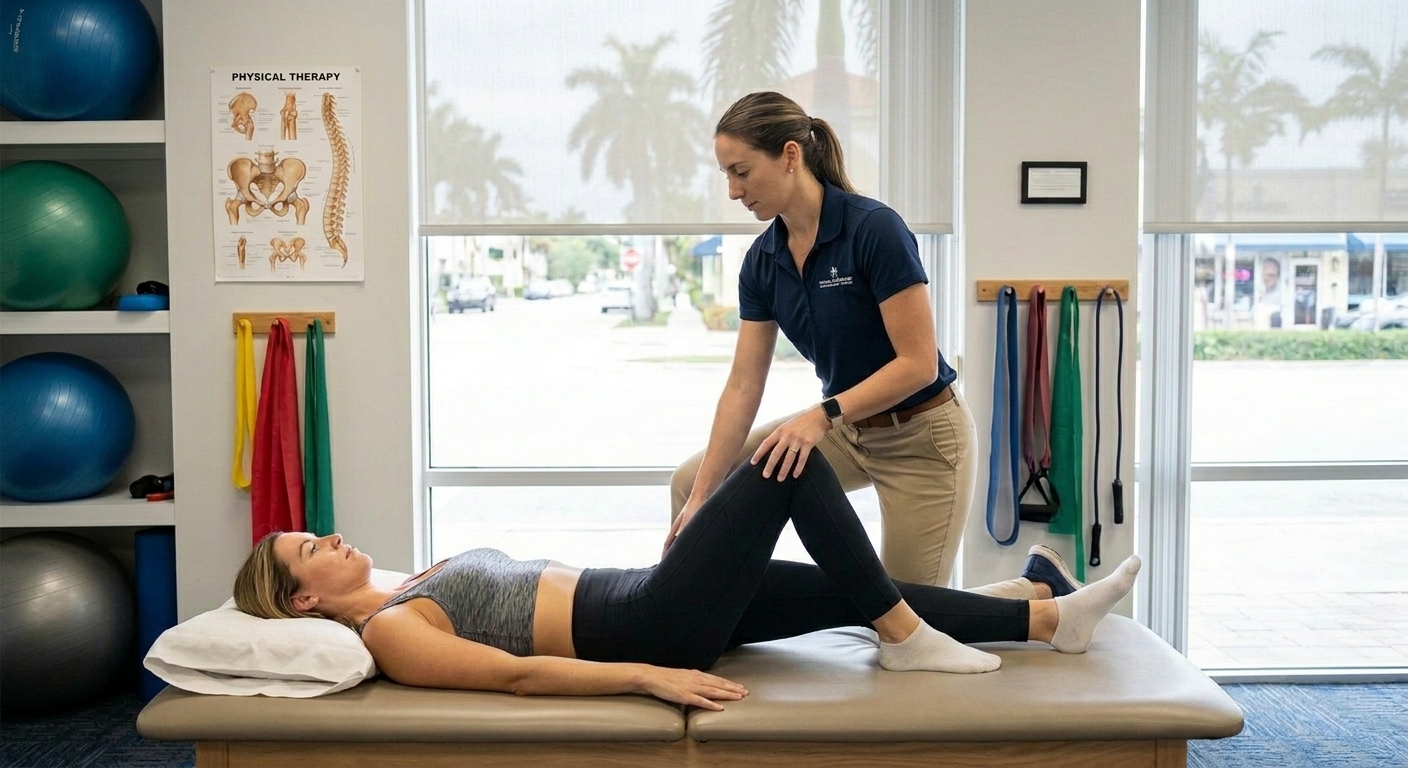
Most people assume lower back pain is just about the spine. Weak muscles, bad posture, maybe a bulging disc. But what gets overlooked is the foundation beneath it all — the pelvic floor. If that system is out of sync, your lower back pays the price. And if you keep treating the symptom without addressing the source, you're just buying time.
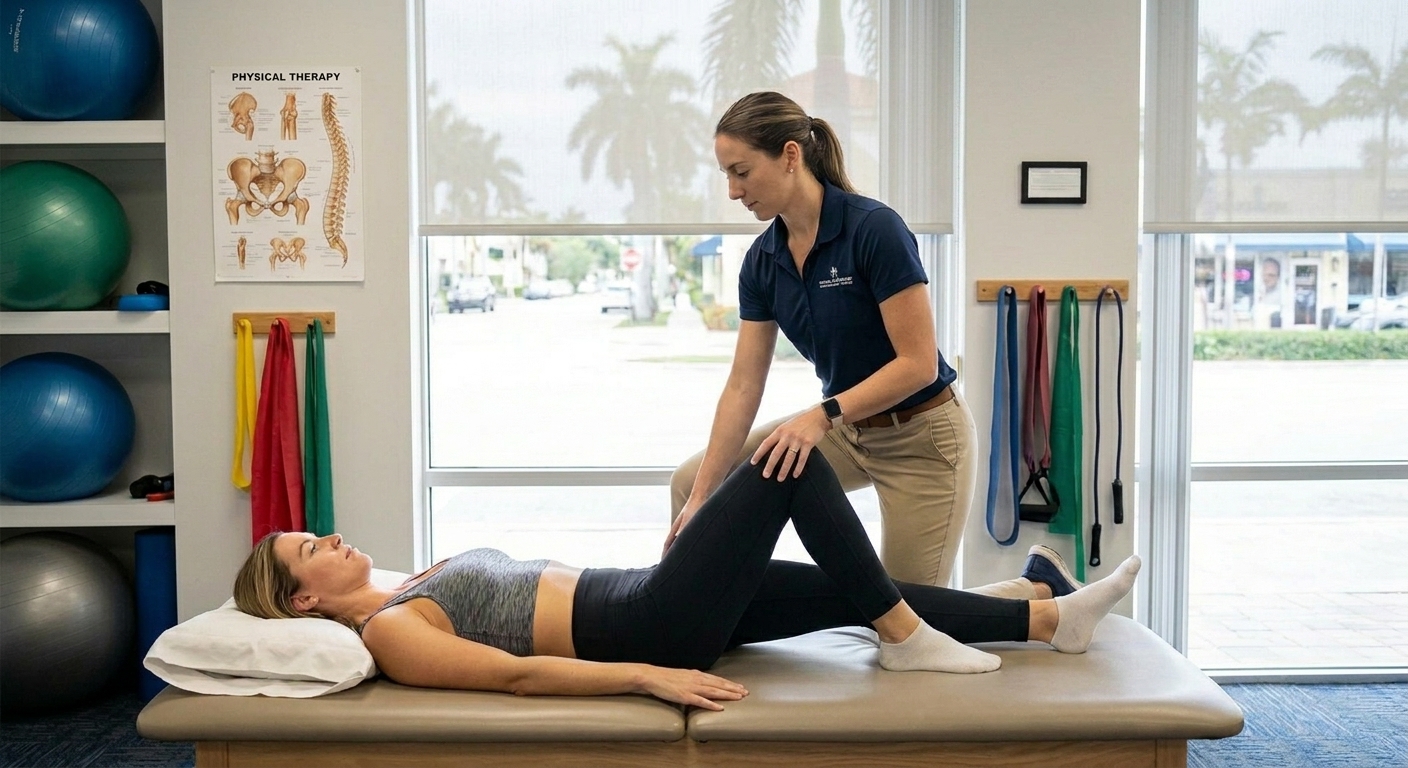
Pelvic health therapy doesn't get the attention it deserves, but in Hallandale, more patients are finding out what happens when you stop chasing pain and start fixing the root cause. This isn't massage therapy with good intentions. It's targeted, strategic work on the muscles and connective tissue that keep your spine stable. When those structures fail, your back compensates — and compensation always costs you.
The Foundation You Didn't Know Was Broken
Your pelvic floor isn't just about bladder control or postpartum recovery. It's a network of muscles, ligaments, and fascia that anchor your entire core. When that system weakens or tightens improperly, it creates instability. Your lower back tries to pick up the slack. That overwork leads to fatigue, strain, and eventually chronic pain that won't respond to stretching or anti-inflammatories.
Pelvic health therapists in Hallandale assess this region with precision. They're looking for imbalances, compensatory patterns, and dysfunction that standard physical therapy often misses. The work involves manual therapy, exercise prescription, biofeedback, and real education on how your body moves — not just what hurts.
Why Your Back Hurts When Your Pelvic Floor Fails
The pelvic floor and lumbar spine share mechanical load. When one side of that partnership breaks down, the other side compensates. A weak pelvic floor forces your lower back muscles to overfire. Tight pelvic floor muscles restrict movement and create tension up the kinetic chain. Either way, your back becomes the victim of a problem it didn't start.
Research backs this up. Chronic lower back pain patients frequently show pelvic floor dysfunction — and treating that dysfunction changes outcomes. We've seen it happen. Patients who spent years cycling through injections and imaging finally get relief when someone looks below the belt.
What Pelvic Health Therapy Actually Does
This isn't guesswork. Pelvic health therapy in Hallandale starts with assessment — thorough, detailed, and often internal. Therapists evaluate muscle tone, coordination, strength, and endurance. They map out how your pelvic floor interacts with your hips, abdomen, and spine. Then they build a plan that's specific to what's broken.
Treatment might include releases for tight muscles, strengthening for weak ones, retraining for coordination issues, and postural correction to stop the cycle. It's not one-size-fits-all. It's not cookie-cutter rehab. Every session is built around what your body needs to function without pain.
- Comprehensive evaluation of pelvic floor muscle function and coordination
- Manual therapy to release trigger points and restore tissue mobility
- Customized exercise programs targeting weakness or hypertonicity
- Biofeedback training to improve muscle awareness and control
- Education on posture, movement mechanics, and pain management strategies
Core Stability Starts Below the Surface
Your core isn't just abs. It's a canister — diaphragm on top, pelvic floor on the bottom, deep abdominals and spinal muscles around the sides. When the pelvic floor is weak or uncoordinated, the entire system loses integrity. That instability translates directly into lower back strain.
Strengthening the pelvic floor restores that canister. You get better intra-abdominal pressure regulation, improved spinal support, and reduced compensatory strain. The result isn't just less pain — it's better movement, more endurance, and a body that doesn't break down under normal load.
- Enhanced coordination between diaphragm and pelvic floor during breathing
- Improved load transfer through the pelvis and lumbar spine
- Reduction in muscle guarding and compensatory overactivity
- Better postural control during daily activities and exercise
- Decreased reliance on passive supports like braces or medication
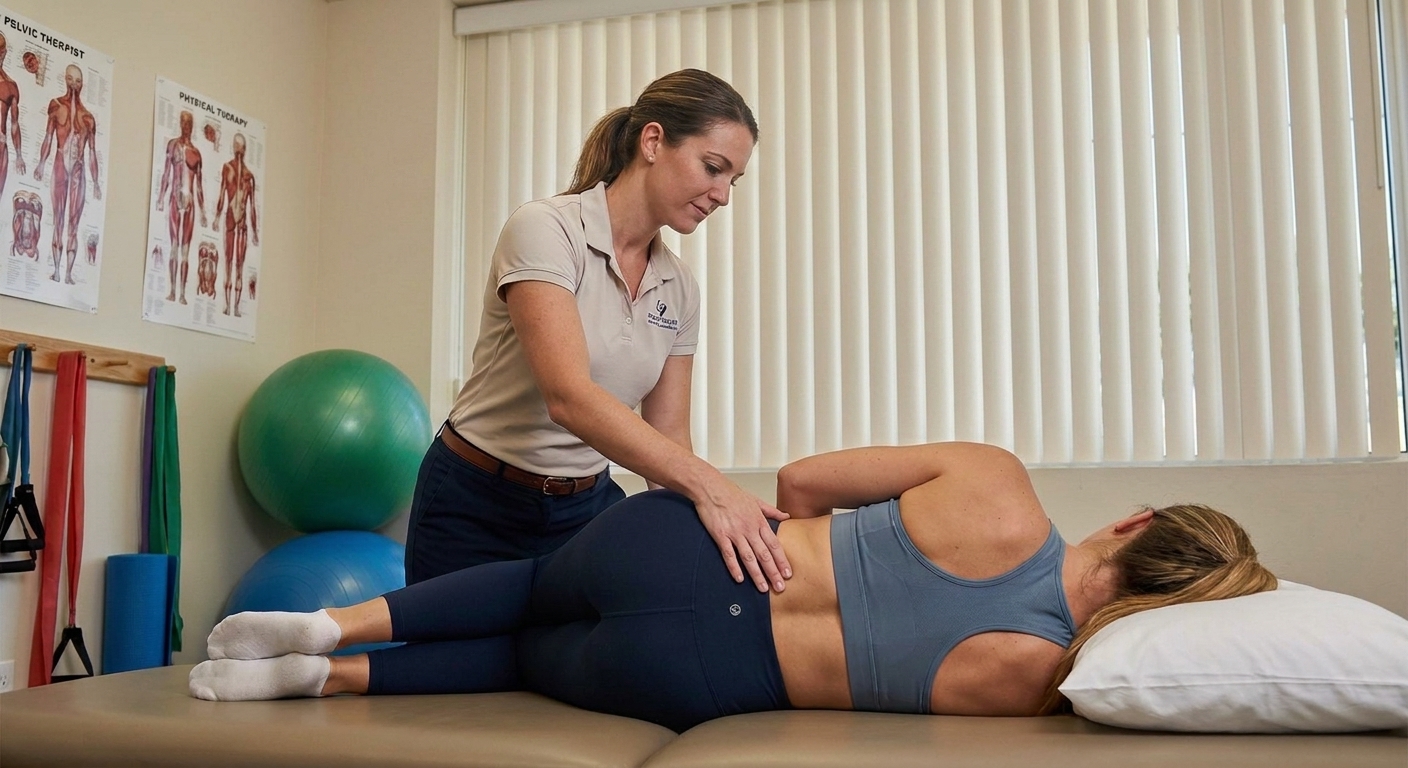
Sessions Are Strategic, Not Generic
Your first visit typically includes a full intake — medical history, symptom timeline, lifestyle factors, and previous treatments. Then comes the physical exam. External assessment of posture, gait, and movement patterns. Internal assessment of pelvic floor muscle function if appropriate and consented. From there, the therapist builds a roadmap.
You'll get exercises, manual work, and education on what to do between sessions. Progress is monitored. Adjustments are made. Most patients start noticing shifts within the first few weeks, though complex cases take longer. The timeline depends on how long the problem's been brewing and how committed you are to the plan.
- Initial evaluation lasts 60 to 90 minutes and covers full musculoskeletal assessment
- Treatment may include internal and external manual therapy techniques
- Home exercise programs are tailored to your schedule and functional goals
- Follow-up sessions track progress and refine interventions as needed
- Duration of care varies but typically ranges from 6 to 12 weeks for significant improvement
When Traditional Therapy Hasn't Worked
If you've tried standard physical therapy, chiropractic adjustments, or injections without lasting relief, pelvic health therapy might be the missing piece. It's not that those other treatments are wrong — it's that they're incomplete if the pelvic floor is part of the problem. Hallandale providers are trained to connect those dots.
This approach works especially well for patients with chronic or recurrent lower back pain, those who've had multiple pregnancies, individuals with a history of pelvic surgery, or anyone dealing with coexisting bladder or bowel symptoms. If your pain doesn't fit the usual pattern, there's a good chance something deeper is at play.
- Persistent lower back pain despite previous physical therapy or imaging
- Pain that worsens with prolonged sitting, standing, or lifting
- History of pregnancy, childbirth, or pelvic surgery
- Concurrent symptoms like urinary urgency, constipation, or pelvic pressure
- Difficulty engaging core muscles or maintaining neutral spine alignment
Documentation and Compliance Matter Here Too
Just like any specialized treatment, pelvic health therapy requires follow-through. You can't skip home exercises and expect results. You can't ignore posture cues during the day and wonder why progress stalls. The therapist gives you the tools — but you have to use them.
Keep a log of your symptoms, exercises, and any flare-ups. Bring questions to your sessions. Communicate what's working and what isn't. This is a partnership, and the more engaged you are, the faster you'll see change. We've watched patients turn their pain around when they commit to the process — and we've seen others plateau because they treated therapy like a passive fix.
- Track daily symptoms symptoms and note any patterns or triggers
- Complete prescribed exercises consistently between sessions
- Communicate openly about discomfort or confusion during treatment
- Follow posture and movement guidelines throughout daily activities
- Attend scheduled follow-ups and don't ghost your therapist mid-treatment
Not Every Back Problem Needs This, But Many Do
Pelvic health therapy isn't a universal solution. If your lower back pain stems from a fracture, severe disc herniation, or systemic condition, you'll need medical intervention first. But for functional pain — the kind that lingers, recurs, and doesn't show up clearly on scans — this is one of the most underutilized tools available.
We help patients in Hallandale connect with qualified pelvic health therapists who understand the biomechanics, respect the complexity, and deliver results that last. If your back pain has been running the show for too long, it's time to look at what's supporting it — or failing to. The answer might be closer to the ground than you think.
Let’s Get You Moving Without Pain
We know how frustrating it is to deal with stubborn lower back pain that just won’t quit. If you’re ready to address the real source and finally get back to living without limits, our team is here to help. Give us a call at 305-967-8976 to talk with a specialist, or request an appointment and let’s start your path to lasting relief together.