

Physical Therapy Info Health Tips
Our Integrated Physical Therapy blog, your go-to source for physical therapy articles and holistic health information. We provide expert insights, practical physical therapy tips, and the latest developments in the field. Whether you're recovering from an injury, managing chronic pain, or looking to improve your overall well-being, our physical therapy blog covers a variety of helpful topics.
Our goal is to empower you with the information you need to take an active role in your health and recovery. Ready to schedule an appointment and take control of your health? Contact Integrated Physical Therapy at 305-967-8976.
Can the McKenzie Method in North Miami Help With Standing All Day Pain?

Standing for hours puts weight on your body in ways most people ignore until it's too late. Your lower back starts screaming. Your feet burn. Your hips lock up. And by the time you clock out, you're limping to the car wondering if this is just how life works now. It doesn't have to be. The McKenzie Method isn't a massage or a pill—it's a system that teaches your body to stop breaking down under load. And if you're in North Miami dealing with standing all day pain, it might be exactly what you need.

Most people treat pain like a mystery. They ice it, stretch randomly, and hope it goes away. But the IRS—sorry, your spine—doesn't care about hope. It cares about mechanics. How you move, how you hold yourself, and whether you're reinforcing the problem or fixing it. That's where McKenzie comes in.
Your Body Wasn't Built to Stand Still
Spending eight hours on your feet sounds simple enough. But your muscles weren't designed for static load. They fatigue. Your posture drifts. And pretty soon, your lower back is compensating for weak glutes, tight hip flexors, and feet that have given up the fight. The pain you feel at the end of the day isn't random—it's your body's way of telling you the system is breaking down.
Most of the damage comes from poor alignment. When you stand with your pelvis tilted forward or your shoulders slouched, certain muscles work overtime while others check out completely. Over time, that imbalance creates inflammation, nerve irritation, and chronic discomfort that doesn't quit just because you sat down for five minutes.
What the McKenzie Method Actually Does
The McKenzie Method isn't about treating symptoms. It's about finding the movement pattern that either feeds your pain or kills it. A certified practitioner puts you through a series of specific positions and exercises to see how your body responds. Does the pain move? Does it centralize toward your spine? Does it disappear when you extend backward or bend forward? Those answers tell the story.
Once the assessment is done, you're not handed a generic stretching routine. You get a targeted plan based on how your body actually behaves. The goal is to reverse the mechanical dysfunction causing the pain—not just mask it. And here's the kicker: you do most of the work yourself. No endless appointments. No dependency on passive treatments. Just you, a few key exercises, and a clear understanding of what makes your pain better or worse.
Why It Works for Standing All Day Pain
If your pain comes from being on your feet for hours, the McKenzie Method zeroes in on the postural and mechanical breakdowns that make standing unbearable. Here's what it targets:
- Spinal alignment under load: Standing compresses your lower back. McKenzie exercises teach you how to maintain a neutral spine even when fatigued.
- Hip and pelvic positioning: Weak or tight hips throw off your entire chain. The method identifies which muscles need strengthening and which need releasing.
- Movement direction preference: Some people's pain improves with extension, others with flexion. McKenzie finds your direction and builds the plan around it.
- Self-correction techniques: You learn how to adjust your posture in real time, not just during a therapy session.
- Long-term prevention: This isn't a band-aid. It's a system that keeps you functional even as your workload stays heavy.
What Happens During Your First Visit
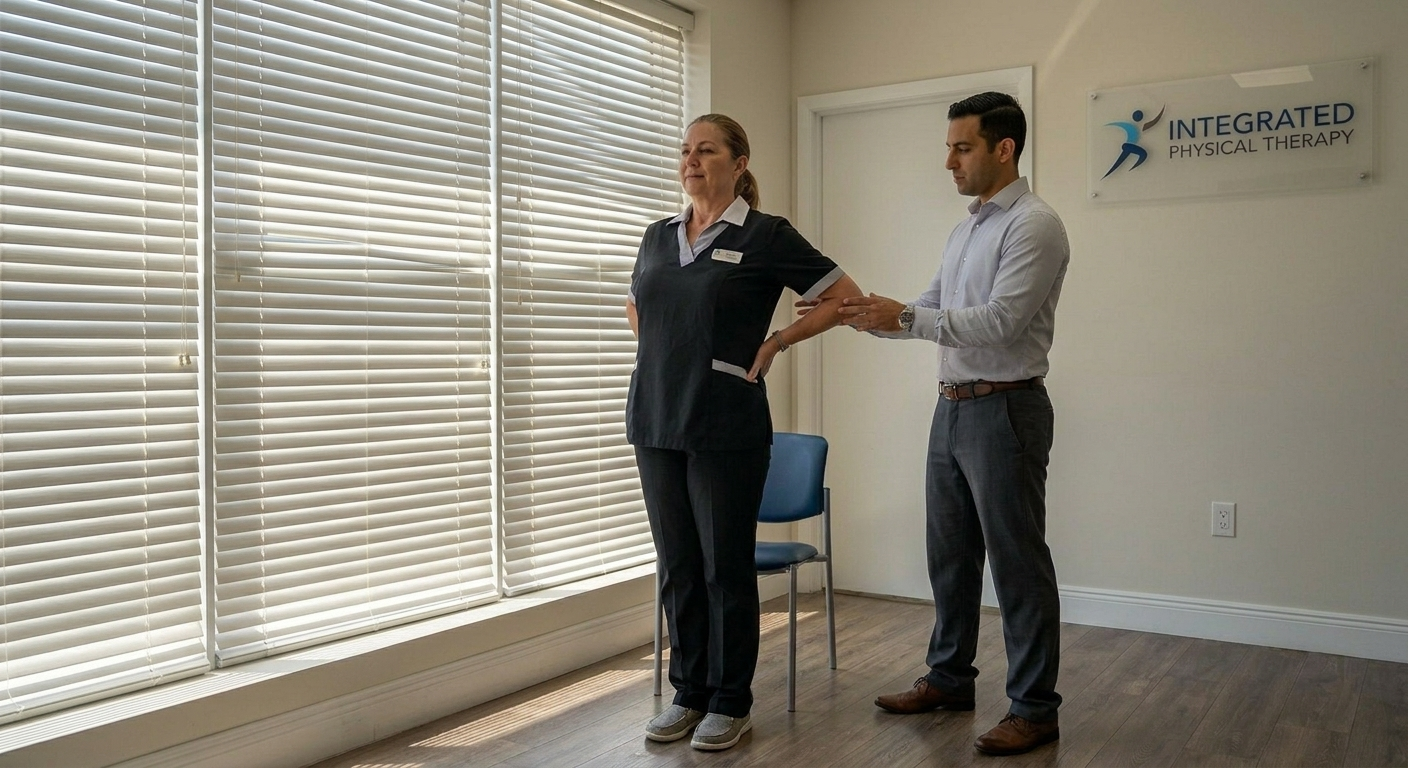
You walk into a clinic in North Miami. The practitioner doesn't just ask where it hurts—they ask what makes it worse, what makes it better, and how your body moves throughout the day. Then comes the assessment. You'll go through repeated movements in different directions. Standing, bending, extending. The goal is to reproduce your pain and then see if certain positions make it centralize or disappear.
If your pain moves toward the center of your spine during the assessment, that's a good sign. It means the exercises are hitting the right target. If it spreads outward or intensifies, the practitioner adjusts the approach. By the end of the session, you'll have a clear picture of what's driving your pain and a game plan to fix it. No guessing. No generic advice. Just mechanical clarity.
What You Need to Bring to the Table
The McKenzie Method isn't passive. You're not lying on a table while someone does the work for you. You're the one executing the movements, tracking your symptoms, and adjusting your posture throughout the day. That means you need to show up with a few things:
- Accurate symptom reporting: Don't sugarcoat it. If something hurts, say so. If it feels better, report that too.
- Consistency with exercises: Doing them once won't cut it. You'll need to follow the program daily, sometimes multiple times a day.
- Willingness to adjust habits: If your standing posture is part of the problem, you'll need to retrain it. That's not always comfortable at first.
- Patience with centralization: Sometimes pain moves before it leaves. That's part of the process, not a sign it's failing.
When McKenzie Might Not Be the Answer
The method works for mechanical pain—issues driven by posture, movement, and spinal dysfunction. But if your standing pain is caused by circulatory problems, nerve damage unrelated to spinal mechanics, or systemic inflammation, McKenzie alone won't solve it. You'll need a broader diagnostic workup to rule out conditions like peripheral artery disease, neuropathy, or autoimmune disorders.
That said, most standing-related pain does have a mechanical component. And even if there are other factors at play, addressing the movement dysfunction can still reduce your overall symptom load. Just don't skip the medical evaluation if your pain came on suddenly, involves numbness or weakness, or doesn't respond to positional changes.
Finding the Right Practitioner in North Miami
Not every physical therapist is McKenzie-certified. You want someone who's been through the formal training and credentialing process. That certification means they've studied the assessment protocols, understand centralization, and can build individualized programs based on your movement patterns—not just cookie-cutter stretches.
When you're vetting clinics, ask about their experience with standing-related pain. Ask how they structure follow-ups. And make sure they're committed to teaching you self-management techniques, not just booking you for endless sessions. The whole point of McKenzie is to give you the tools to manage your own pain long-term. Consider exploring manual therapy options alongside McKenzie-based approaches, or learn about complementary techniques like dry needling trigger point therapy for persistent muscle tension. Our North Miami location specializes in evidence-based approaches to chronic pain management.
Taking Control of the Pain You've Been Ignoring
Standing all day doesn't have to wreck your body. But ignoring the pain and hoping it fades? That's how people end up with chronic issues that take months—or years—to reverse. The McKenzie Method gives you a clear path forward. It identifies the mechanical breakdown, teaches you how to fix it, and puts the power back in your hands. No excuses. No shortcuts. Just real movement strategy backed by decades of clinical evidence.
If you're in North Miami and you're done limping through your shifts, find a certified McKenzie practitioner and get assessed. Bring your questions. Bring your pain history. And bring the willingness to do the work. Because the method works—but only if you're ready to meet it halfway.
Ready to Stand Stronger Every Day?
We know how exhausting it is to push through another day on your feet when pain keeps slowing you down. Let’s work together to get you moving comfortably again with a plan that actually fits your life. Call us at 305-967-8976 to talk with our team, or request an appointment and let’s start your journey to pain-free standing today.