

Physical Therapy Info Health Tips
Our Integrated Physical Therapy blog, your go-to source for physical therapy articles and holistic health information. We provide expert insights, practical physical therapy tips, and the latest developments in the field. Whether you're recovering from an injury, managing chronic pain, or looking to improve your overall well-being, our physical therapy blog covers a variety of helpful topics.
Our goal is to empower you with the information you need to take an active role in your health and recovery. Ready to schedule an appointment and take control of your health? Contact Integrated Physical Therapy at 305-967-8976.
Can the McKenzie Method in North Miami Reduce Back Stiffness?
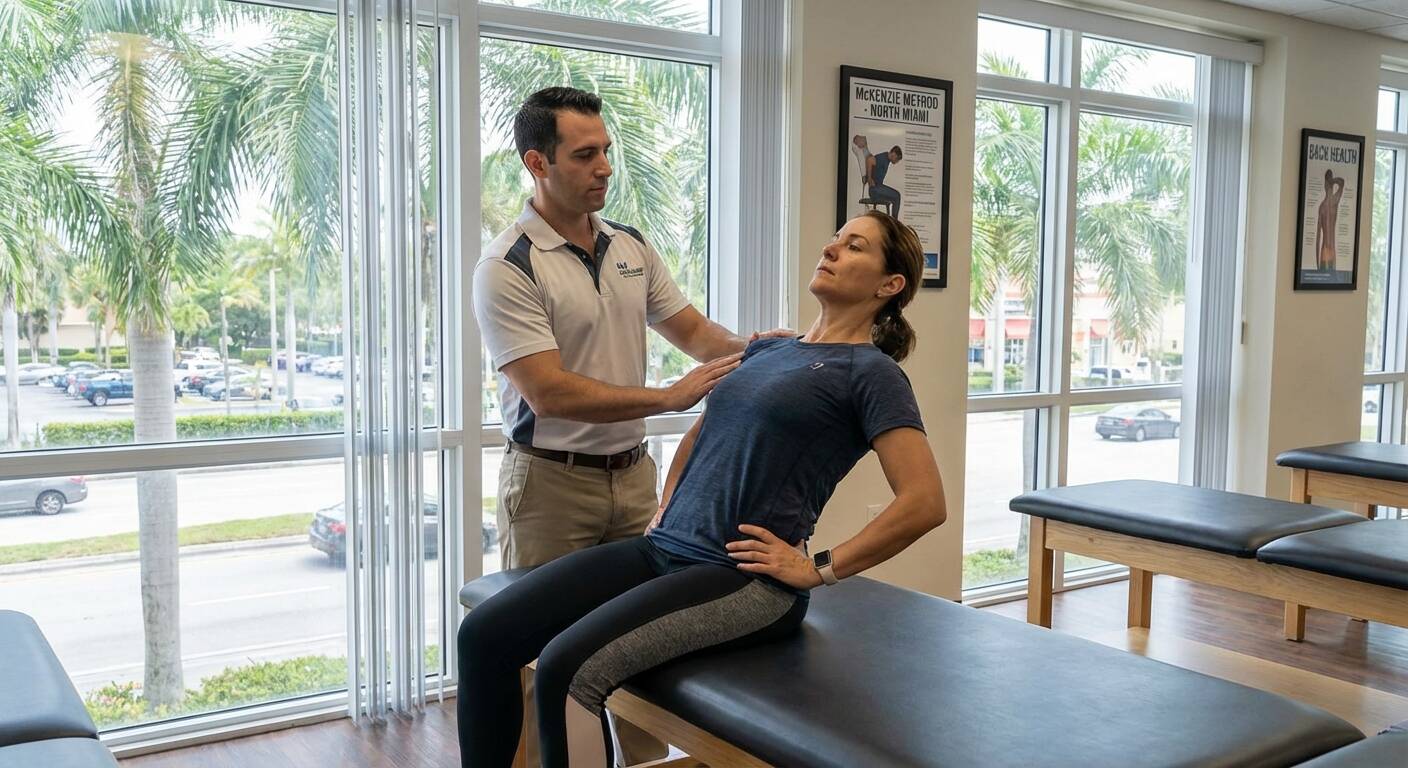
Most people think back stiffness is just part of getting older. Sit too long, sleep wrong, lift something heavy — and boom, you're locked up. But stiffness isn't random. It's your spine telling you something's off. And if you're not listening, you're setting yourself up for worse problems down the line. The McKenzie Method doesn't mask symptoms or rely on passive treatments. It teaches you how to move differently, think differently, and take control of what's happening in your own body.
So here's the reality. If you're dealing with chronic tightness or limited range of motion, this approach might be exactly what you need. Just don't expect a magic bullet. Every movement matters. Every position counts. And every bit of progress depends on whether you're willing to do the work — not just show up and hope someone fixes you.
What the McKenzie Method Actually Does
The McKenzie Method isn't some trendy wellness fad. It's a structured system built on decades of clinical observation and patient outcomes. Developed by a New Zealand physiotherapist in the 1950s, it's grounded in one simple idea — your body can heal itself if you give it the right conditions. That means identifying which movements reduce your pain, which ones make it worse, and building a plan around what actually works for you.
The assessment process is thorough. A trained practitioner watches how you move, asks where the pain shows up, and tests specific positions to see what changes. If a certain movement centralizes your symptoms — meaning the pain moves closer to your spine or decreases — that's your roadmap. If it spreads the pain outward or makes things worse, you avoid it. It's not guesswork. It's mechanical diagnosis, and it's repeatable.
Why Stiffness Responds to Directional Movement
Stiffness happens when your joints stop moving the way they're supposed to. Muscles tighten up. Fascia gets sticky. Inflammation sets in. And the longer you avoid certain movements, the worse it gets. The McKenzie Method flips that script by using repeated motions in a specific direction — usually extension — to restore mobility and reduce discomfort.
For a lot of people, that means lying face down and pressing up through the arms, or standing and arching backward. These movements counteract the forward-slumped posture most of us live in. Desk work, driving, scrolling — it all pushes your spine into flexion. Extension-based exercises bring it back. And when done consistently, they can unlock range of motion that's been missing for months or even years.
What Makes This Approach Different in North Miami
North Miami isn't short on physical therapy services. But not every clinic teaches you how to manage your own symptoms. The McKenzie Method is built for independence. You learn the exercises. You track your progress. And you adjust based on what your body tells you. That's a big deal if you're juggling work, family, and everything else life throws at you.
Here's what sets it apart:
- You're not stuck in a cycle of endless appointments
- The exercises are simple enough to do at home or in the office
- You get real-time feedback on what's working and what's not
- It's backed by research, not just anecdotal success stories
- Prevention is built into the process, not tacked on at the end
The Assessment Tells You Everything You Need to Know
Walking into a McKenzie session isn't like a typical therapy visit. You're not lying on a table while someone does things to you. You're moving, testing, and learning. The practitioner guides you through a series of positions and repeated movements, watching how your symptoms respond. If the pain decreases or moves toward the center of your back, that's a win. If it spreads or intensifies, that direction gets ruled out.
This process usually takes one or two sessions. Once your movement pattern is identified, you're given a specific exercise protocol. You'll also learn how to modify your daily activities — how to sit, stand, and lift in ways that support your spine instead of stressing it. The goal isn't just to feel better today. It's to stay better long-term.
Who Benefits Most from This Method
The McKenzie Method works best for people dealing with mechanical back pain — the kind that changes based on position or movement. If your stiffness improves when you stand up and walk around, or if certain stretches give you relief, you're a good candidate. If your pain is constant no matter what you do, or if you have neurological symptoms like numbness or weakness, you'll need a more thorough evaluation first.
Here's who tends to see the best results:
- Office workers with chronic tightness from prolonged sitting
- Active individuals who've lost flexibility after an injury
- People who've tried other treatments without lasting improvement
- Anyone looking to avoid surgery or long-term medication use
- Patients who want to take an active role in their own recovery
Common Mistakes That Slow Progress
Even with a solid plan, people mess this up. They skip exercises because they feel fine that day. They push too hard too fast and flare things up. Or they stop doing the movements once the pain goes away, only to have it come roaring back a few weeks later. Consistency is everything. If you're not doing the exercises daily, you're not giving your body the repetition it needs to adapt.
Another mistake is mixing in random stretches or exercises from YouTube. If those movements don't align with your directional preference, they can make things worse. Stick to what your practitioner prescribes. Once you're stable and pain-free, you can expand your routine. But during the recovery phase, discipline matters more than variety.
Finding the Right Practitioner in North Miami
Not every physical therapist is trained in the McKenzie Method. You want someone who's been through the certification process and understands the nuances of mechanical diagnosis. Look for clinics that specifically advertise McKenzie or MDT services. Ask about the practitioner's experience and how many patients they've treated using this approach.
Here's what to look for:
- Certification in Mechanical Diagnosis and Therapy
- A focus on patient education and self-management
- Clear communication about what to expect and how long it might take
- Willingness to adjust the plan based on your response
- A track record of helping people reduce or eliminate symptoms
When to Expect Results
Some people feel better after the first session. Others take a few weeks to notice significant change. It depends on how long you've had the stiffness, how severe it is, and how consistently you do the exercises. But here's the thing — if you're not seeing any improvement after a week or two, that's valuable information. It might mean your condition needs a different approach, or that there's something else going on that requires further evaluation.
The McKenzie Method is designed to give you rapid feedback. If a movement helps, you'll know quickly. If it doesn't, you pivot. That's the beauty of the system. You're not locked into a six-week protocol that may or may not work. You're adjusting in real time based on what your body tells you.

What Happens After You're Pain-Free
Getting out of pain is step one. Staying out of pain is the real goal. Once your stiffness is gone and your mobility is restored, you'll transition into a maintenance phase. That might mean doing your exercises a few times a week instead of daily. It definitely means staying aware of your posture and movement habits throughout the day.
Here's how to keep the progress going:
- Set reminders to check your posture during long work sessions
- Keep doing your directional exercises even when you feel great
- Avoid prolonged positions that put your spine in flexion
- Address new aches or tightness before they turn into bigger problems
- Stay in touch with your practitioner if symptoms start creeping back
Why This Matters for Long-Term Spine Health
Back stiffness isn't just annoying. It's a warning sign. Ignore it long enough, and you're looking at chronic pain, reduced function, and a much harder road to recovery. The McKenzie Method gives you a way to intervene early, address the root cause, and build habits that protect your spine for the long haul. It's not about quick fixes or temporary relief. It's about understanding your body and giving it what it needs to stay strong and flexible.
If you're in North Miami and dealing with stiffness that won't quit, this approach is worth exploring. Find a certified practitioner. Show up ready to learn. And commit to doing the work. Your spine will thank you — not just today, but for years to come. For more information about orthopedic rehabilitation and other treatment options, reach out to a qualified clinic that prioritizes patient education and long-term results.
Ready to Take Control of Your Back Health?
We know how frustrating it is to deal with nagging back stiffness day after day. Let’s work together to find a solution that lasts—one that puts you in charge of your own recovery. If you’re ready to move better and feel better, give us a call at 305-967-8976 or request an appointment and let’s start your journey to lasting relief.