

Physical Therapy Info Health Tips
Our Integrated Physical Therapy blog, your go-to source for physical therapy articles and holistic health information. We provide expert insights, practical physical therapy tips, and the latest developments in the field. Whether you're recovering from an injury, managing chronic pain, or looking to improve your overall well-being, our physical therapy blog covers a variety of helpful topics.
Our goal is to empower you with the information you need to take an active role in your health and recovery. Ready to schedule an appointment and take control of your health? Contact Integrated Physical Therapy at 305-967-8976.
Is Myofascial Release in Wynwood Right for Post Workout Muscle Tightness?
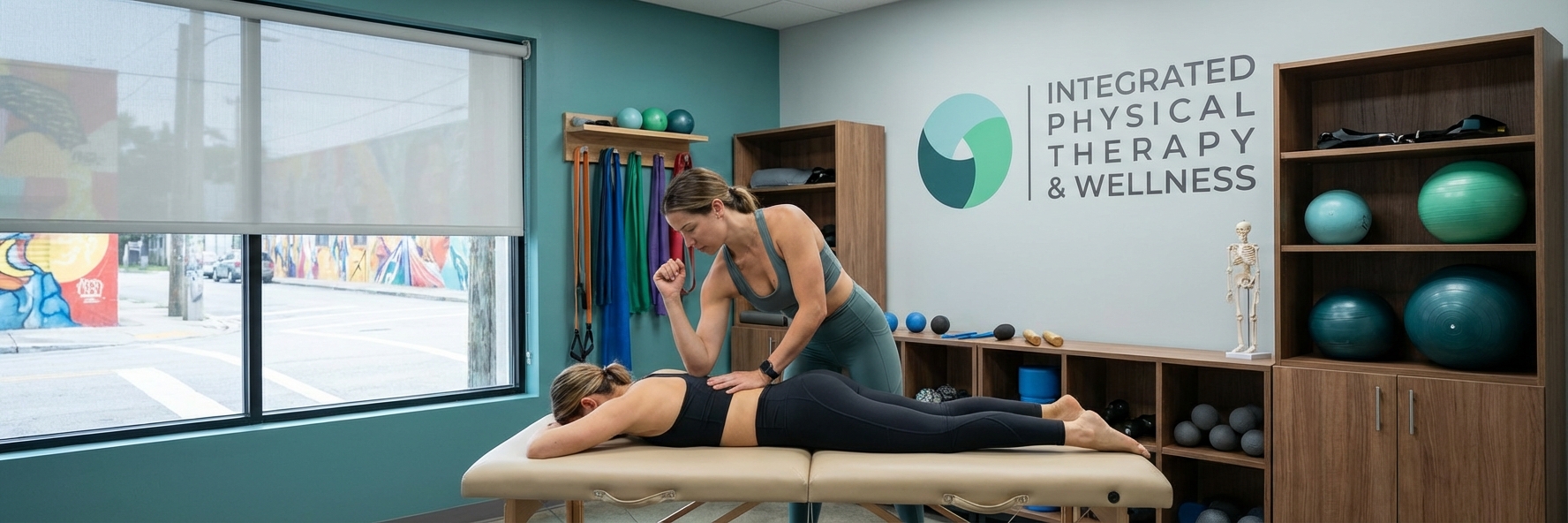
Most gym-goers think muscle tightness is just part of the deal. You lift, you run, you feel it the next day. But that stiffness isn't always something you need to push through — and if you are, you might be missing a faster route back to full strength. Myofascial release has become a go-to for athletes and weekend warriors in Wynwood, but it's not a magic bullet. It works when the problem is fascial restriction. It doesn't when the issue runs deeper.
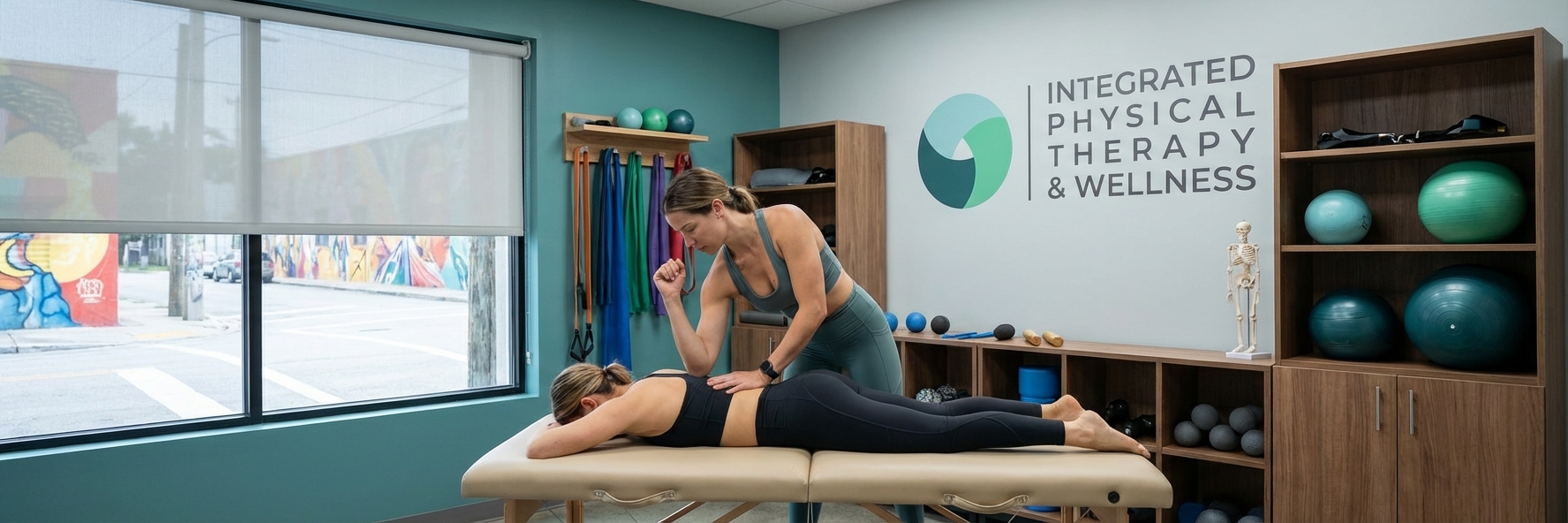
So here's what matters. If you're dealing with chronic tightness that stretching won't touch, myofascial work might be the missing piece. Just don't expect it to replace hydration, sleep, or smart programming. Every recovery tool has a role. Every body responds differently. And every decision about what you do post-workout should be grounded in what's actually tight — not just what feels sore.
When Fascia Gets Stuck
Your fascia is the connective tissue wrapping around every muscle in your body. When it's healthy, it slides and glides. When it's not, it binds up like a knot in a rubber band. That's when movement gets restricted, flexibility drops, and soreness lingers longer than it should. Myofascial release targets those adhesions directly, using sustained pressure to coax the tissue back into normal function.
There are two ways to approach it. You can do it yourself with foam rollers, lacrosse balls, or massage guns. Or you can work with a trained therapist who knows how to find the spots you can't reach and apply the right amount of pressure. Wynwood has both options in spades — from boutique studios offering guided sessions to independent practitioners who specialize in manual therapy.
Why Your Muscles Lock Up After Training
Post-workout tightness isn't random. It's your body responding to stress, and that stress shows up in predictable ways. Understanding the cause helps you pick the right fix.
- Microtrauma in muscle fibers: Heavy lifting or high-intensity work creates tiny tears that trigger inflammation and stiffness.
- Metabolic buildup: Byproducts like lactate accumulate during exercise, contributing to that heavy, tight feeling.
- Inadequate hydration: Dehydration reduces tissue pliability and increases cramping risk.
- Fascial adhesions: Repetitive movement patterns or overuse can cause fascia to stick together, limiting range of motion.
Stretching and nutrition help, but they don't always address fascial restrictions. That's where myofascial release comes in — it's a targeted intervention for a specific type of tightness.
What Myofascial Work Actually Does
When done right, myofascial release offers measurable benefits that go beyond just feeling looser. It's not a cure-all, but it's effective for the right problems.
- Restores range of motion: Releasing fascial adhesions lets joints move through their full arc without compensation.
- Cuts down on DOMS: Delayed onset muscle soreness can be reduced when fascial restrictions are cleared early.
- Boosts circulation: Pressure and release cycles encourage blood flow, which speeds waste removal and nutrient delivery.
- Calms the nervous system: Slow, deliberate pressure can downregulate stress responses and promote relaxation.
We've seen plenty of Wynwood athletes integrate myofascial release into their weekly routines and report faster recovery times, fewer nagging injuries, and better overall performance. It's not flashy, but it works.
Who Benefits Most
Myofascial release isn't for everyone. It's most effective when the tightness you're dealing with is fascial in nature — not structural, not acute injury, not systemic inflammation. Here's how to know if it's worth trying.
- You train consistently: Regular, intense workouts create more opportunities for fascial adhesions to form.
- Stretching doesn't help: If static or dynamic stretching isn't giving you relief, the issue might be deeper in the connective tissue.
- You have trigger points: Those tender, knotted spots that radiate discomfort when pressed are prime candidates for trigger point therapy.
- You're not injured: Sharp pain, swelling, or recent trauma means you need a medical evaluation first, not a foam roller.
- You're open to discomfort: Myofascial release can be intense, especially in the beginning. If you can't tolerate pressure, it's not going to work.
What a Session Looks Like
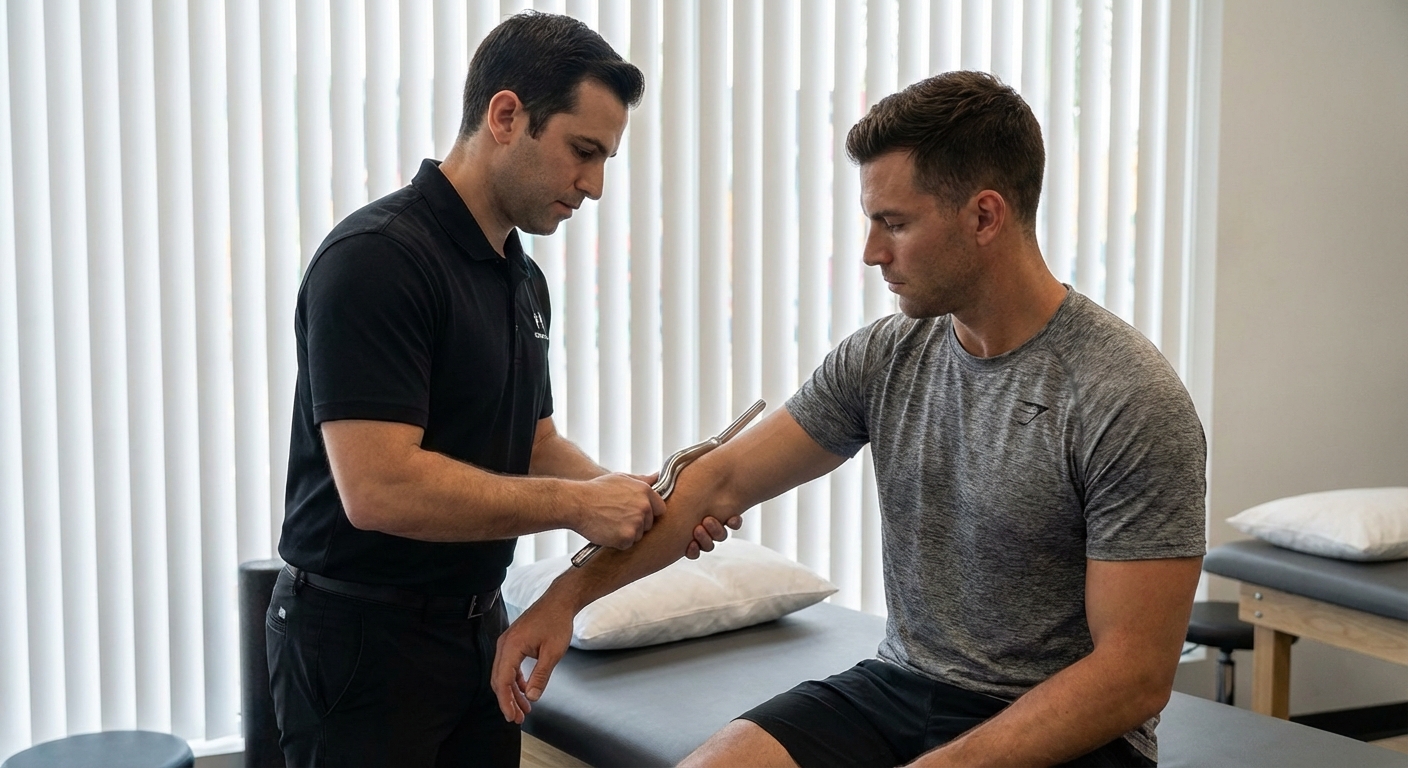
Professional myofascial release sessions in Wynwood typically run 30 to 60 minutes. Your therapist will assess your movement patterns, identify areas of restriction, and apply slow, sustained pressure to release adhesions. It's not a massage — the pressure is deeper, more focused, and held longer. You might feel discomfort, but it shouldn't be unbearable.
Self-myofascial release is more accessible and can be done daily. Foam rolling, using a lacrosse ball on tight spots, or working with a massage gun all fall under this category. The key is consistency and knowing where to apply pressure. Many Wynwood studios offer workshops or one-on-one coaching to teach proper technique.
Where Most People Go Wrong
Myofascial release works, but only when it's applied correctly. Here's where we see people miss the mark.
- Rolling too fast: Speed doesn't equal effectiveness. Slow, deliberate pressure gives fascia time to release.
- Ignoring pain signals: Discomfort is normal. Sharp, shooting pain is not. Know the difference.
- Skipping the warm-up: Cold tissue doesn't respond as well. Light movement or heat before myofascial work improves results.
- Expecting instant fixes: Fascial restrictions build up over time. They don't disappear in one session.
- Using it as a substitute: Myofascial release complements training and recovery. It doesn't replace proper programming, nutrition, or rest.
Finding the Right Fit in Wynwood
Wynwood's fitness and wellness scene is packed with options. You'll find certified massage therapists, physical therapists, and movement specialists who offer myofascial release. Some work out of clinics, others operate mobile practices. The key is finding someone who understands your training style and can tailor the work to your needs.
If you're going the DIY route, invest in quality tools. A good foam roller, a few massage balls of varying densities, and maybe a percussion device will cover most of your bases. Pair that with some solid instruction — either from a workshop or a knowledgeable coach — and you're set.
Recovery That Actually Moves the Needle
Muscle tightness doesn't have to derail your training. But treating it effectively means understanding what's causing it and choosing the right tool for the job. Myofascial release works when fascial restrictions are the problem. It doesn't when the issue is something else. We help active individuals at our Wynwood location figure out what's holding them back and build recovery strategies that actually fit their lives — not just what's trending on social media. If you're serious about staying strong, mobile, and ready for whatever comes next, start with what's tight and work backward from there. Our team offers comprehensive physical therapy services and holistic therapies to support your recovery goals.
Let’s Get You Moving Better
We know how frustrating it is when muscle tightness slows you down, especially after you’ve put in the work. If you’re ready to see what targeted myofascial release can do for your recovery, let’s talk about your goals and get you back to feeling your best. Call us at 305-967-8976 or request an appointment and let’s take the next step together.