

Physical Therapy Info Health Tips
Our Integrated Physical Therapy blog, your go-to source for physical therapy articles and holistic health information. We provide expert insights, practical physical therapy tips, and the latest developments in the field. Whether you're recovering from an injury, managing chronic pain, or looking to improve your overall well-being, our physical therapy blog covers a variety of helpful topics.
Our goal is to empower you with the information you need to take an active role in your health and recovery. Ready to schedule an appointment and take control of your health? Contact Integrated Physical Therapy at 305-967-8976.
Living with Scoliosis as an Adult in Hallandale? The Schroth Method May Help
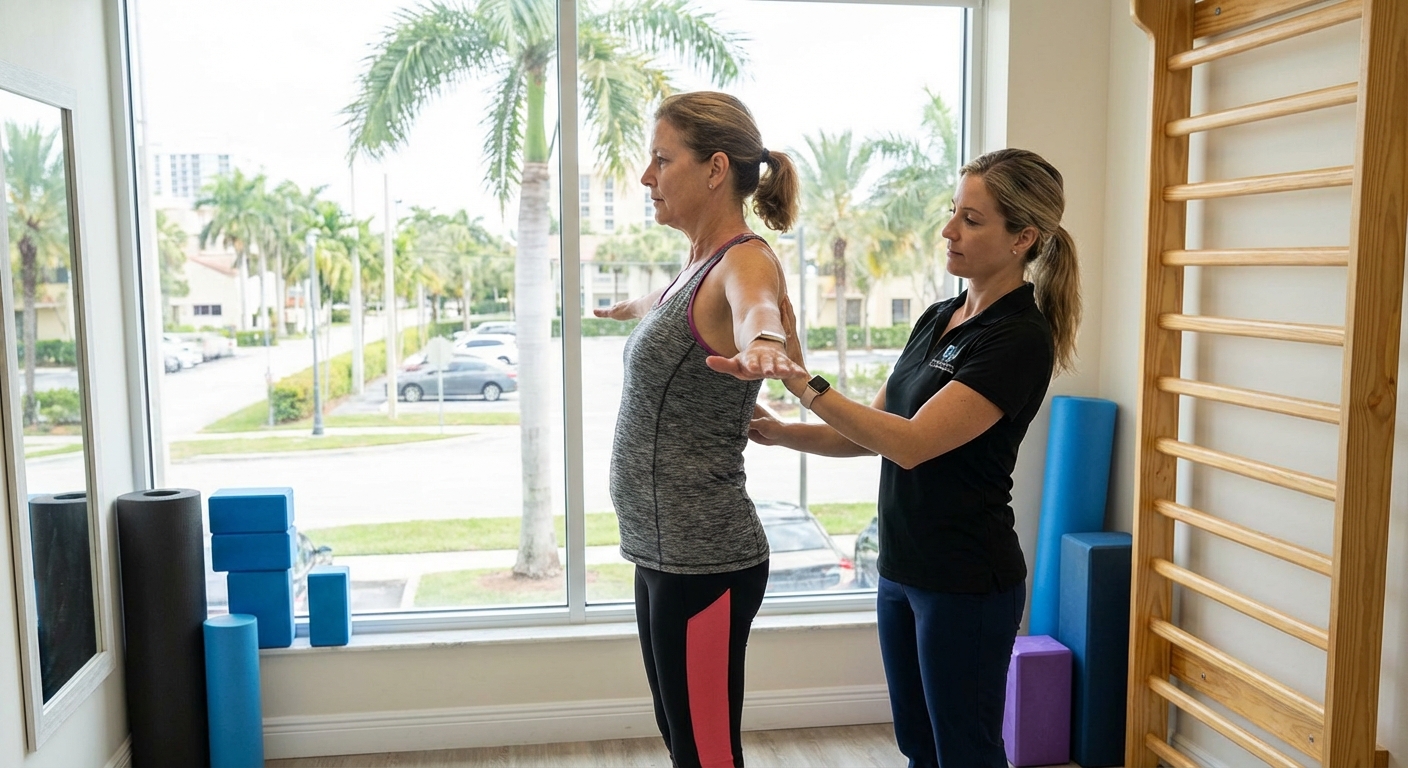
Most adults with scoliosis think the curve is just something they live with. A fact of life. A permanent bend. But your spine isn't static — and if you treat it like it is, you're leaving relief on the table. Scoliosis may have started in adolescence, but it doesn't stop evolving once you hit adulthood. Especially when degeneration, pain, and postural collapse start piling on.
So here's the reality. If you're dealing with chronic discomfort, uneven shoulders, or that nagging tightness that won't quit, there's more you can do than manage symptoms. The Schroth Method isn't a quick fix or a passive treatment. It's a structured, three-dimensional approach that teaches your body how to correct itself — and it's backed by decades of clinical use across the globe.
When the Curve Keeps Going
Adult scoliosis doesn't behave like the adolescent version. You're not just holding a curve — you're fighting age, gravity, and wear. Degenerative changes in the discs and joints can make an existing curve worse. And when that happens, pain becomes the daily norm. Muscle fatigue sets in. Breathing gets harder if the ribcage compresses. Even simple tasks like standing in line or sitting through a meeting become exhausting.
In Hallandale, where outdoor activity and movement are part of the lifestyle, scoliosis can feel like a roadblock. You want to walk the beach, take a fitness class, or just move without wincing — but your spine has other plans. And the longer you wait to address it, the more compensation patterns your body builds. Those patterns don't just hurt. They lock in dysfunction.
What Traditional Care Misses
Pain meds, generic physical therapy, bracing, surgery — these are the usual options thrown at adult scoliosis. Some help. Some don't. But most of them treat the symptoms, not the mechanics. You might get temporary relief, but you're not learning how to move differently or how to stop the progression.
That's the gap the Schroth Method fills. It's not about masking discomfort or waiting until surgery becomes the only option. It's about retraining your posture, your breathing, and your movement patterns so your spine has a fighting chance to stabilize — and in some cases, even improve.
How Schroth Actually Works
The Schroth Method is built on the idea that scoliosis is a three-dimensional problem. Your spine doesn't just curve sideways — it rotates and shifts in multiple planes. So the solution has to address all of that. A certified Schroth therapist evaluates your specific curve pattern, then designs a program of exercises that target your unique imbalances.
These exercises focus on:
- De-rotating the spine to reduce the twist in the vertebrae
- Elongating the trunk to counteract compression
- Stabilizing the corrected posture through muscle activation
- Breathing techniques that expand collapsed rib areas and improve lung capacity
- Postural awareness training so you can maintain alignment throughout the day
It's not passive stretching or random core work. Every movement is intentional. Every breath is part of the correction. And the goal isn't just to feel better for an hour after therapy — it's to rewire how your body holds itself when no one's watching.
Why Adults in Hallandale Are Turning to Schroth
We've seen a shift in how people approach scoliosis care. More adults want control. They want to understand what's happening in their bodies and how to fix it — not just cover it up. The Schroth Method delivers on that. It's non-invasive, doesn't require drugs, and puts the power back in your hands.
Results vary, but many patients report:
- Significant reduction in daily pain
- Improved posture and spinal alignment
- Increased flexibility and range of motion
- Better breathing and reduced fatigue
- Greater confidence in movement and physical activity
And because the method is adaptable, it works for people at different stages of scoliosis and different fitness levels. Whether you're newly diagnosed or you've been living with a curve for decades, a trained therapist can meet you where you are and build a plan that fits your life.
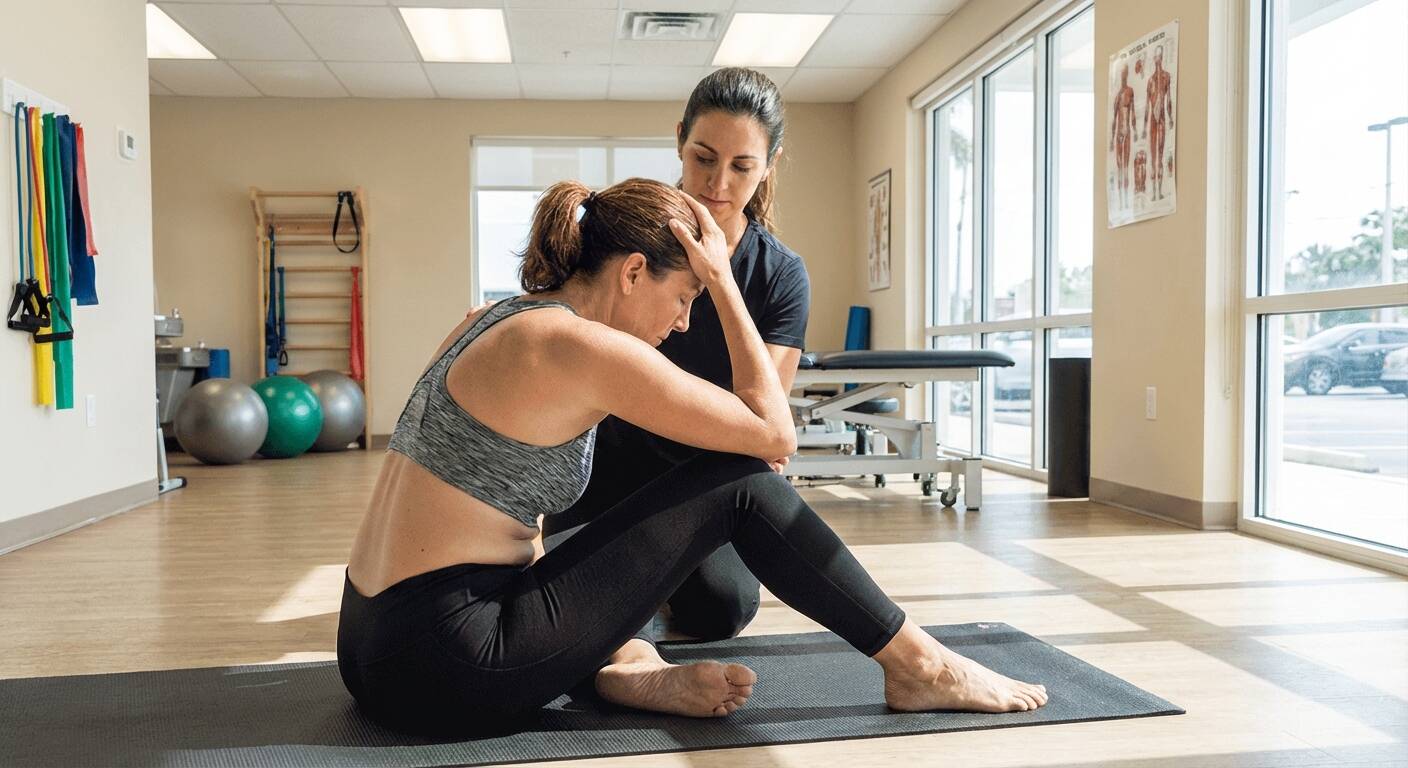
Finding a Certified Schroth Therapist
Not every physical therapist is trained in Schroth. This is a specialized certification that requires advanced coursework and hands-on practice. If you're in Hallandale, you'll want to seek out a provider who's gone through that training and understands the nuances of scoliosis-specific physical therapy care.
Your first session will likely include:
- A detailed postural assessment and curve analysis
- Identification of compensatory movement patterns
- Instruction in foundational Schroth exercises
- Breathing technique training tailored to your curve type
- A home exercise plan you can practice between sessions
Consistency matters. You won't see change from one visit. But with regular practice — ideally daily — most people start noticing improvements within weeks. Long-term success comes from sticking with it and refining your technique over time.
What Happens When You Skip the Work
Scoliosis doesn't pause. If you ignore it, the curve can progress. Pain can worsen. Mobility can decline. And the longer you wait, the harder it becomes to reverse the damage. We've worked with adults who spent years thinking nothing could be done — only to discover that targeted intervention could have changed the trajectory years earlier.
The Schroth Method isn't a miracle cure. It's a tool. But it's one of the most effective tools available for adults who want to take an active role in managing their condition. And in a place like Hallandale, where staying active and engaged is part of the culture, that matters.
Building a Routine That Sticks
Once you've learned the exercises, the challenge becomes integration. You need to practice them regularly, apply the postural cues throughout your day, and stay aware of how you're moving. That's where most people struggle — not because the exercises are hard, but because life gets in the way.
Here's what helps:
- Set a specific time each day for your Schroth routine
- Use reminders or visual cues to check your posture throughout the day
- Track your progress with photos or measurements
- Stay in touch with your therapist for adjustments and accountability
- Celebrate small wins — less pain, better posture, more energy
The method works when you work it. And the payoff isn't just physical. Many adults report feeling more in control, more confident, and more hopeful about their long-term health once they see what's possible. Complementary approaches like Pilates and manual therapy can further support spinal alignment and core stability when integrated with your Schroth routine.
Your Spine Deserves More Than Management
Living with scoliosis as an adult doesn't mean accepting pain as permanent. It doesn't mean giving up on movement or resigning yourself to surgery down the line. The Schroth Method offers a different path — one that's grounded in biomechanics, backed by research, and proven in practice. If you're in Hallandale and you're ready to stop managing and start correcting, this is where you begin. Find a certified therapist at IPT Miami. Show up. Do the work. Your spine will thank you.
Let’s Take the Next Step Together
We know how important it is to reclaim comfort and confidence in your daily life. If you’re ready to explore how the Schroth Method can help you move better and feel stronger, let’s connect and create a plan that fits your goals. Call us at 305-967-8976 or request an appointment—we’re here to help you get started on your path to lasting relief.